Blog

  • Turning the Ideas into Digital Growth

    Turning the Ideas into Digital Growth

    There is no doubt that digital marketing has radically changed the ways firms relate to individuals. A single website can introduce the business to thousands of customers, a single social media post can initiate a conversation, and a single email can prompt customers to take action. However, just being online is not enough for successful digital marketing. The true success comes from learning about people, communicating effectively, and acquiring the necessary skills.

    The most effective digital strategies are those that do not try to follow all the latest trends and platforms. Rather, they rely on such factors as having objectives, creating meaningful content, building good customer relations, and learning from outcomes. In the busy world of the Internet, those businesses that combine creativity and strategy are more likely to gain attention and use it for good.

    Start With A Destination, Not A Platform

    One of the biggest mistakes that can be made in digital marketing is starting with the following question: “Which platform should we utilize?” Instead, the right way to begin should be “What do we want to accomplish?” For topics such as Kolkata escorts, identifying the purpose of the campaign first can help marketers choose suitable platforms and create relevant content.

    A company may need to acquire quality leads, boost sales on the web, increase brand recognition, or motivate people to buy again or join a community of followers. Every goal will require a unique solution. Having a specific goal helps determine why each marketing activity is done. It makes it possible to understand which channels matter and which actions just waste time.

    Know the People Behind the Clicks

    Numbers will show you how many people have been to your website, but numbers cannot reveal the needs of these people. Good marketing requires knowing the person behind the computer screen. What issues are they trying to solve? What are the questions they have before making a purchase? What are their fears holding them back? What type of information is going to ease their doubts?

    When businesses know this information, they create relevant content. Instead of talking too much about themselves, they will be able to solve the actual problems of their customers. This change of approach from “what we want to say” to “what our audience needs” can totally change the results of a digital strategy.

    Content Should Earn Attention

    The internet is flooded with content. Another boring article or some promotional caption will fail to create any lasting impression unless it provides some value to the readers. Content marketing done digitally views content as a source of value. Content can be helpful to someone by providing a solution to a problem or solving some difficulty.

    An interesting video or an infographic might make it easier for the viewer to understand some difficult concept. What matters is the idea of stopping people from moving forward with their scrolls. Content about Vadodara call girls can also benefit from simple explanations and relevant information instead of unnecessary promotion. Excellent content does not necessarily have to be very dramatic. Clarity works better than smartness sometimes. A good explanation that actually helps someone can be more trustworthy than a promotional message.

    Social Media Should Feel Social

    Social media becomes useless once all the messages posted are advertisements. Social media allows users to learn things, interact, enjoy, and follow things they are interested in. Businesses must show their understanding of this context.

    There are several approaches to developing a great social media strategy, which should include informative materials, stories, behind-the-scenes videos, tips, customer experiences and promotional materials as well. For audiences searching for Visakhapatnam call girls, a balanced content strategy can provide helpful information while maintaining genuine engagement. This does not mean that the purpose of posting on social media is to promote all the time. Instead, it is aimed at adding enough value to make followers interested in the brand.

    Final Thoughts:

    Being successful in digital marketing does not just happen because of one viral post, one successful advertisement, or one optimised webpage. Being successful requires planning, creativity, persistence, measurement, and learning from mistakes along the way.

    Know your audience before you try to talk to them. Produce content that is worthy of their time. Cleverly employ technology. Measure results. Listen to feedback. Experiment without being scared of failure and improve without being satisfied with mediocrity. The world of digital marketing will go through many changes, but the basics of successful marketing remain surprisingly simple.


  • Finding the Right Water Filtration System for Your Home

    Finding the Right Water Filtration System for Your Home

    Good Water Starts With Knowing What You Need

    Water problems have a funny way of becoming noticeable at the worst possible time. Maybe the morning coffee suddenly tastes strange. Maybe there’s a faint odor from the kitchen tap, or white buildup around the showerhead that seems to return no matter how often you clean it.

    These small frustrations can make homeowners start looking at water filtration. But with so many systems available, choosing one can feel like walking into a hardware store without a clue what half the boxes actually do.

    The good news is, it doesn’t need to be that complicated. The right place to begin is with the water itself.

    Test First, Then Choose a Solution

    Before purchasing a filtration system, homeowners should try to understand what is actually happening with their water. Taste and appearance can provide clues, but they don’t tell the whole story.

    A professional water test can identify characteristics such as hardness, pH, sediment, minerals, and other water-quality concerns. Once those results are available, it becomes easier to decide whether basic filtration, softening, or a more specialized treatment approach is appropriate.

    This step can also prevent an expensive mistake. There’s no point installing a system designed for one problem when your home has an entirely different one.

    When Taste and Odor Are the Main Concern

    Sometimes water isn’t visibly dirty or cloudy. It simply doesn’t taste very good. Perhaps there’s a chlorine-like taste, an earthy smell, or another noticeable odor that makes you reach for bottled water instead.

    In situations like this, carbon filtration for taste & odor can be a practical option. Activated carbon is commonly used to improve the taste and smell of water by reducing certain compounds responsible for unpleasant characteristics.

    It’s worth remembering, though, that carbon filtration isn’t designed to solve every possible water-quality issue. The exact performance depends on the filter technology, water chemistry, and what you’re trying to remove.

    Not All Water Problems Are Straightforward

    Some homes have water issues that require more than a basic filter. A property may have unusual mineral content, specific contaminants, or other conditions that aren’t addressed effectively by standard filtration.

    That’s where specialty filtration for problem water can come into the conversation. Specialized treatment equipment can be selected around particular water conditions rather than relying on a general-purpose filter.

    This is one area where professional guidance is especially useful. Instead of guessing which product will work, homeowners can have their water evaluated and discuss treatment options based on actual results.

    The goal isn’t to create the most complicated system possible. It’s to use the right technology for the problem.

    Hard Water Deserves Its Own Solution

    Hard water is another common complaint. It contains elevated levels of calcium and magnesium, which can create scale and mineral deposits around fixtures and appliances.

    You may notice white spots on glasses, buildup around faucets, or showerheads that gradually become less effective. Soap and shampoo can also be more difficult to rinse away.

    If testing confirms that hardness is an issue, a water softener may be appropriate. In some homes, filtration + softening can provide a more complete approach, addressing both unwanted particles or compounds and the effects of hard water.

    The important thing is to understand what each component is doing. Filtration and softening aren’t interchangeable technologies, and combining them only makes sense when the home’s water conditions justify it.

    Whole-Home or Point-of-Use?

    Another decision homeowners face is whether they need treatment for the entire house or only for drinking water.

    A point-of-use system, such as an under-sink filter, can be convenient when the primary goal is improving water used for drinking and cooking. It can also be less expensive and easier to install.

    Whole-home treatment is different. It treats water before it reaches multiple fixtures, making it useful when water-quality concerns affect showers, laundry, appliances, and other areas throughout the property.

    Neither approach is automatically better. It depends on what you want to accomplish and what the water test reveals.

    Think About Maintenance Before Buying

    A filtration system isn’t a set-it-and-forget-it appliance. Filters need replacement, components may need inspection, and some systems require regular service.

    Before purchasing anything, ask how often filters need to be changed and how much replacement equipment typically costs. Find out whether the system needs electricity, drainage, salt, or other ongoing supplies.

    These details can seem minor when you’re shopping, but they become important later. A system that’s difficult to maintain may eventually become one more household chore you keep putting off.

    And that’s not ideal.

    Professional Installation Can Save Headaches

    Proper installation is another piece of the puzzle. Water pressure, plumbing connections, drainage, available space, and system configuration all need to be considered.

    A professional installer can make sure the equipment is connected correctly and operating as intended. They may also identify plumbing issues that could interfere with the new system.

    Good installation isn’t something you’ll necessarily notice every day. In fact, if everything is done properly, you probably won’t think about it at all. That’s a good sign.

    Don’t Let Marketing Decide for You

    Water treatment products often come with impressive claims. Some may be perfectly legitimate, while others can sound much better than they really are.

    Instead of choosing a system because of a catchy label, focus on measurable information. What problem does it address? What technology does it use? What are its maintenance requirements? Has the equipment been properly tested or certified for the claims being made?

    A reputable professional should be willing to answer those questions without making you feel like you’re sitting through a sales presentation.

    The Best System Is the One That Fits

    There’s no single filtration system that’s perfect for every home. Water quality varies, household needs vary, and budgets vary.

    That’s why the smartest approach is fairly simple: test your water, identify the problem, compare appropriate technologies, and think about long-term maintenance before making a decision.

    You may end up with a straightforward carbon filter. You may need softening. Or perhaps your water requires a more specialized treatment system. Whatever the answer, it should be based on your home’s actual needs.

    Clean, pleasant water doesn’t have to involve guesswork. With good information, the right equipment, and proper care, water treatment can become a quiet improvement that makes everyday life just a little easier.

  • Clean Water Starts With the Right Treatment: Understanding Modern Water Solutions

    Clean Water Starts With the Right Treatment: Understanding Modern Water Solutions

    Water is one of those things most of us barely think about until something goes wrong. A strange taste in the glass, white scale around the faucet, an odd smell from the shower, or cloudy water after heavy rain can quickly turn an everyday routine into a source of worry. And when the water comes from a private well, the situation can be even more complicated because quality can change with the seasons and the surrounding environment.

    The good news is that water treatment doesn’t have to be mysterious. Once you understand what’s actually in your water, choosing the right treatment becomes much easier. Different contaminants need different solutions, and the best system isn’t necessarily the most complicated one. It’s the one that addresses the specific problems in your home.

    Start With Water Testing, Not Guesswork

    It’s tempting to buy a filter based on a neighbor’s recommendation or an online review. But water chemistry varies dramatically from one property to another. Two homes only a few streets apart can have completely different water quality.

    A proper water test can identify issues such as hardness, iron, manganese, sediment, chlorine, dissolved solids, and certain microorganisms. Depending on your location and water source, additional testing may also be useful.

    This matters because treatment should follow the problem. If hard water is causing scale, for example, you need a solution designed for hardness. A basic sediment filter won’t solve it.

    Testing also gives you a useful baseline. If water quality changes later, you have something to compare it against instead of relying on taste or appearance alone.

    Where Reverse Osmosis Fits In

    For drinking and cooking water, homeowners often want a higher level of purification than they need for the entire house. That’s where reverse osmosis can be particularly useful.

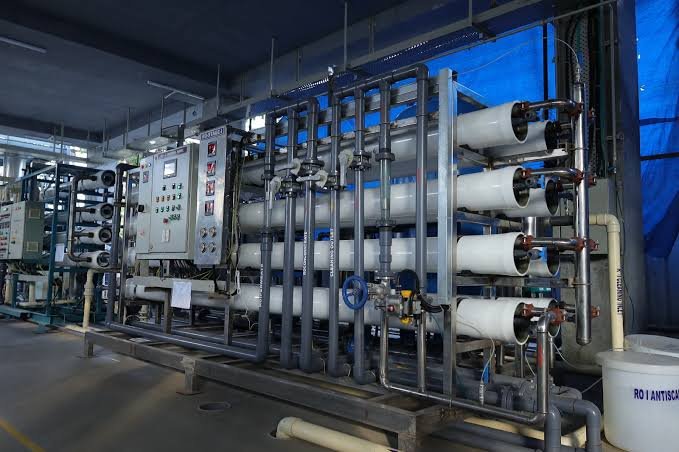
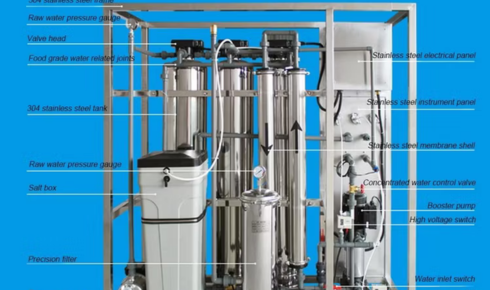
    Reverse osmosis works by pushing water through a semipermeable membrane that can reduce many dissolved substances. Depending on the system and its configuration, it may help reduce certain salts, metals, and other contaminants.

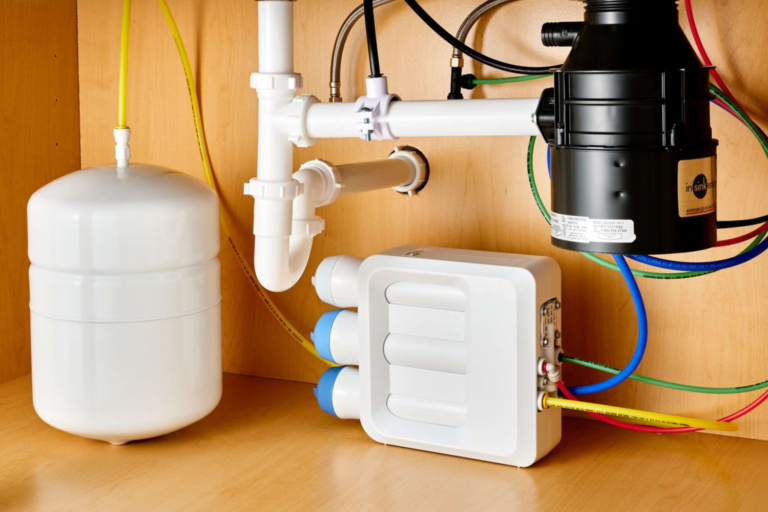
    A point-of-use RO system is commonly installed under a kitchen sink, providing treated water at a dedicated faucet. This approach can make sense when the main concern is drinking water rather than every gallon used for laundry, bathing, and cleaning.

    There is a practical side to this, too. You don’t necessarily need to treat your entire home’s water to the same degree. Sometimes a targeted solution is smarter, less expensive, and easier to maintain.

    Why Well Water Needs Extra Attention

    Private wells are convenient, but they also put the responsibility for water quality largely on the homeowner. Unlike municipal supplies, well water isn’t automatically treated before it reaches your taps.

    That makes well water treatment an important part of maintaining a private water system. The right setup depends heavily on what’s present in the water.

    For instance, iron can leave orange stains in sinks and toilets. Hydrogen sulfide may create that unmistakable rotten-egg odor. Excessive hardness can produce scale inside pipes and appliances. Sediment can clog fixtures and shorten the life of filtration equipment.

    And then there are microorganisms. Bacteria can enter a well through surface contamination, damaged well components, flooding, or other pathways. A well that has always seemed fine shouldn’t be assumed to be safe forever.

    Regular testing is therefore worth the effort, particularly after flooding, repairs, changes in taste or odor, or other unusual events.

    Microbiological Concerns Are Different

    Not every water problem is visible. Some of the most important concerns involve microorganisms that you can’t see, smell, or taste.

    This is where microbiological systems and appropriate disinfection technologies can play an important role. Depending on the water source and test results, treatment may involve ultraviolet disinfection, chlorination, or another professionally selected approach.

    UV systems, for example, use ultraviolet light to inactivate many microorganisms as water passes through the treatment chamber. They don’t work like conventional filters, though. A UV system generally doesn’t remove sediment, hardness, or dissolved chemicals. Water clarity and proper pretreatment can also affect system performance.

    That distinction is important. There isn’t one magical device that fixes every water-quality problem. Effective treatment usually comes from matching each technology to the contaminant.

    Don’t Forget the Plumbing and Appliances

    Water quality affects more than what comes out of your drinking faucet.

    Hard water can gradually leave mineral deposits inside water heaters, showerheads, dishwashers, washing machines, and plumbing fixtures. Iron and manganese can stain surfaces. Sediment may collect in valves or restrict flow. Certain corrosive water conditions can affect metal plumbing over time.

    In other words, water treatment can sometimes be a form of preventative home maintenance.

    Think about a coffee maker. If you’ve ever had to scrub stubborn mineral deposits from one, you already have a small-scale example of what untreated hard water can do. Now imagine that same chemistry moving through an entire plumbing system for years.

    A properly selected treatment system can help reduce these problems and potentially make household appliances easier to maintain.

    Whole-House Treatment vs. Point-of-Use Systems

    Choosing between whole-house and point-of-use treatment comes down to what you want to accomplish.

    A whole-house system treats water before it travels through the home’s plumbing. This can be useful when contaminants affect bathing, laundry, fixtures, or appliances as well as drinking water.

    Point-of-use treatment focuses on a particular faucet or appliance. It’s often a practical choice when the main concern is drinking and cooking water.

    Neither approach is automatically better. If your well has a strong sulfur odor, treating only the kitchen faucet won’t solve the smell coming from the shower. On the other hand, installing an elaborate whole-house system solely because you want better-tasting drinking water may be unnecessary.

    The goal is simple: treat the water where the problem actually matters.

    Maintenance Is Part of the Solution

    Even an excellent treatment system needs attention. Filters eventually become saturated, membranes require replacement, UV lamps have service intervals, and tanks or other components may need inspection.

    Skipping maintenance can reduce performance and, in some cases, create new problems.

    A useful habit is to keep a simple record of filter changes, water tests, service visits, and any noticeable changes in water quality. It doesn’t need to be fancy. A note on your phone can be enough.

    For well owners especially, periodic testing should remain part of the routine. Water quality isn’t necessarily static, and a system that worked perfectly several years ago may need adjustment after changes in the well or surrounding environment.

    Choosing the Right System for Your Home

    The smartest water-treatment decision usually starts with three questions: What is in the water? What do you want to improve? And how much water actually needs treatment?

    From there, the options become much clearer.

    You may need filtration for sediment, a softener for hardness, specialized treatment for iron or sulfur, disinfection for microbiological concerns, or reverse osmosis for drinking water. In some homes, several technologies may work together as a complete treatment train.

    Don’t be distracted by impressive-sounding equipment alone. Look for a system that is properly sized, supported by credible testing, and realistic to maintain.

    Clean water is not about buying the biggest system or following the latest trend. It’s about understanding your home’s water and responding to it thoughtfully.

    Once you know what’s coming through your pipes, good treatment becomes less of a guessing game and more of a sensible investment in the water you use every single day.

  • Fashion Quietly Records Every Chapter of Our Story

    Fashion Quietly Records Every Chapter of Our Story

    A beloved jacket evokes memories of your first solo travel. A snug jumper represents the rainy weekend days spent with loved ones. A perfectly made coat tells about your successful job interview, celebration, or chance encounter. Unawarely, we create a collection, which is much more than just fabric, it is a visual record of our experiences.

    While fashion is commonly considered in terms of seasonal trends, colors, and changing collections, the most intriguing part about fashion is highly personal. It quietly accompanies each step of our path, adjusting to our increasing confidence, changing values, and continuing identity formation process. Even when individual trends fade away with time, emotions linked to the garments stay surprisingly alive. Clothes become one of those rare belongings, able to keep our memories without even saying a word.

    We Never Really Dress the Same Person Twice

    Everyone thinks they are wearing clothes; in fact, they are dressing themselves differently according to the stage of life that they are in. Whether it be the confident graduate starting their career, Surat escorts embracing new opportunities, the brave traveler discovering new cities, the busy parent with new priorities, the wise professional who opts for a simpler lifestyle, or the creative soul experimenting with clothing, everyone is just a single person changing through different phases of life.

    Each time, the person gets more confident about themselves, and their tastes change, which ultimately changes fashion. It is not only the fashion trend that changes; rather, fashion changes as people change.

    The Most Beautiful Outfit Is One That Feel Honest

    The power of authenticity lies in something very unique. Some individuals feel right wearing the classic styles while some like to wear clothes that have a more relaxed fit. Some individuals like bold colors while some like simple ones.

    There is no difference between the two when it comes to fashion since one will never be more fashionable than the other unless there is personality behind the style. Individuals who look the most stylish usually do not look like they are trying too hard; all they do is feel comfortable in their skin.

    Fashion Has A Memory Longer Than We Realize

    Clothes have a unique property of storing emotions. A scarf stored for decades can remind one of the winter days of a decade ago. A pair of old shoes can store the memories of the adventures that we have almost forgotten. A suit or an outfit silently reminds one of the significant events in their life, much like how Lucknow escorts may associate certain outfits with memorable moments, celebrations, and milestones. Clothes do not store memories as photographs do. Clothes carry the memory of action, seasons, celebrations, surprising conversations, and growing up.

    That is why sometimes it becomes difficult for people to throw away clothes that they have stopped wearing. It is because they are not storing the clothes but the memories associated with them.

    Your Signature Style Already Exists

    Clothes have a unique property of storing emotions. A scarf stored for decades can remind one of a cherished memory or a special moment. A lot of individuals, including Cardiff escorts, end up taking years looking for their signature style without realising that, in all this time, they have actually developed their unique style. This becomes evident from the colors they keep on choosing, the clothes they keep on wearing, and the outfits that remain comfortable despite all the new styles in the world of fashion.

    Signature style is not something that can be developed suddenly; it takes time and experience. Each decision made teaches something about comfort, confidence, personality, and expression till the wardrobe reflects an individual.

    Final Thoughts

    Fashion is usually portrayed as ever-evolving, but the primary aim of fashion has never changed and continues to be quite remarkable. Fashion gives an individual the ability to showcase one’s identity, keep memories, gain confidence, and celebrate personal development through their daily choices. Each piece of clothing becomes a part of a bigger picture, quietly documenting experiences that influence our personal development. There will always be new fashions coming and going, colors and styles changing with every generation, but there is no substitute for authenticity.

    The best style is never achieved through constant adherence to fashion trends but through clothes which represent a life honestly lived. In the end, our wardrobe will not just be a collection of clothes kept in our closet but parts of our personal stories that show that every single day gives us a chance to wear not just beautiful clothes but also our confidence and experiences.

  • How Do Cedar Rapids Homes Gain from Professionally Installed Gutter Covers?

    How Do Cedar Rapids Homes Gain from Professionally Installed Gutter Covers?

    Your gutters work hard behind the scenes, moving rainwater away from your roof, siding, foundation, and landscaping. But leaves, twigs, seed pods, and other debris accumulate rapidly, and once that happens, gutters become ineffective. Water spills over the edges instead of draining where it should, and this is when small problems turn into expensive ones.

    This is why so many local homeowners turn to a gutter cover installation service in Cedar Rapids, IA. A correctly installed gutter cover blocks debris while allowing rainwater to flow through unobstructed. Reduced clogging translates to lower maintenance, improved drainage, and long-term protection for your home.

    Why Gutter Covers Are Essential in Iowa

    Cedar Rapids experiences extreme seasonal weather. Spring delivers heavy rain, fall brings falling leaves, and winter introduces snow and ice, and your gutters have to withstand damage from them all.

    Left unprotected, gutters can clog within weeks under heavy tree cover in fall and more gradually the rest of the year. Once this happens, water can spill onto your siding, pool near your foundation, or work its way into your basement. Accumulated debris also accelerates corrosion and wear, significantly reducing gutter longevity.

    Quality gutter covers substantially reduce this cycle, helping your drainage system function as designed throughout all seasons.

    Types of Gutter Covers to Consider

    Not all gutter covers work the same way, and the right choice depends on your property.

    – Micro-mesh covers offer the finest filtration and suit homes with heavy pine needles or small debris, though they require periodic brushing.

    – Reverse-curve (surface tension) covers shed leaves well but can struggle with heavy rainfall.

    – Screen covers are budget-friendly but let smaller debris through.

    – Foam inserts and brush-style guards are lower-cost options that fit into the gutter channel, though they tend to need more frequent replacement.

    An installer familiar with Cedar Rapids homes can match the design to your roofline and tree coverage.

    The Benefits of Professional Gutter Cover Installation

    A professionally installed gutter cover delivers benefits far beyond leaf exclusion.

    1. Cuts Down on Cleaning

    Property owners avoid the labor and risk of ladder work. Gutter covers block debris before it enters the system, significantly reducing time spent on upkeep.

    2. Protects Your Home from Water Damage

    When gutters remain unobstructed, water flows through downspouts and away from your foundation as designed. This helps guard against basement leaks, soil erosion, damaged siding, and foundation issues over time.

    3. Helps Prevent Ice Buildup

    Iowa’s winter conditions are severe. Clogged gutters retain water and freeze readily, contributing to ice dams. It’s worth noting that ice dams are driven mainly by heat escaping through the roof, so gutter covers alone won’t solve the problem. Also, some designs can even trap moisture and worsen winter performance if poorly matched to your roof.

    As such, choosing the right design and pairing it with proper attic insulation gives the best results.

    4. Extends the Life of Your Gutters

    Wet leaves and debris retain moisture against the gutter material over prolonged periods. With that weight and moisture removed, gutters are far less prone to sagging or pulling away from the fascia.

    Why Professional Installation Matters

    Many homeowners are tempted to purchase off-the-shelf gutter covers. However, not all products are compatible with every gutter configuration. When improperly installed, they can leave gaps, restrict water flow, or even damage the underlying gutters.

    An experienced installer will evaluate multiple factors before recommending a solution, including:

    ·Roof design

    ·Condition of your existing gutters

    ·Tree coverage around your property

    ·How water drains around your home

    ·Local weather patterns

    Professional installation ensures covers fit precisely and securely without compromising your roof or the performance of your gutter. When you go with a reliable provider of gutter cover installation service in Cedar Rapids, IA, you can trust the system will do its job for years.

    Is the Investment Worth It?

    Professional gutter cleaning in Cedar Rapids is typically needed two to four times a year, and that cost adds up over the life of a home. Gutter covers carry a higher upfront cost but cut cleaning frequency substantially, which is where most homeowners see the payback alongside the reduced risk of water damage that’s far more expensive to repair than to prevent.

    Signs Your Home Is Ready for Gutter Covers

    Too many homeowners wait until they see water damage before they upgrade their gutters. Watch for these signs instead:

    ·You are cleaning your gutters multiple times a year.

    ·Rainwater overflows the gutter edges during precipitation.

    ·Debris accumulates persistently despite frequent removal.

    ·Weeds or plants are sprouting in your gutter channels.

    ·You want to eliminate the need for routine ladder work.

    Addressing these indicators promptly prevents larger, more expensive repairs.

    Choose a Local Team That Understands Iowa Homes

    Every home gutter system drains differently, and Iowa’s weather plays a significant role in picking the right gutter protection. Cedar Rapids’ older neighborhoods often carry heavy tree canopies that shed year-round, while newer subdivisions face more open exposure and heavier snow loads on rooflines. Work with a contractor who knows the area, and you will get advice built around your property.

    On an ending note

    Your gutters protect your home’s exterior and foundation, but only if they are clear and running properly. A gutter cover installation service in Cedar Rapids, IA, provided by experts cuts down on maintenance, keeps water flowing where it belongs, and helps shield your home from costly moisture damage year-round. 

  • Why Every Well Water Home Deserves a Water Quality Check

    Why Every Well Water Home Deserves a Water Quality Check

    Living in a home with a private well has its advantages. There’s a certain peace of mind that comes with having your own water source, independent of municipal supplies. Many homeowners appreciate the fresh taste, the reliability, and the control that well water provides. Still, owning a well also comes with responsibility. Unlike city water, private wells aren’t routinely monitored by public utilities, which means the quality of the water depends largely on regular testing and proper maintenance.

    The interesting thing about water is that problems don’t always announce themselves with obvious warning signs. Sometimes the water looks perfectly clear while hidden minerals or naturally occurring contaminants quietly affect plumbing, appliances, and even the taste of your morning coffee. That’s why understanding your water is far more valuable than simply reacting when something goes wrong.

    Well Water Is Naturally Unique

    No two wells are exactly alike.

    Water travels through layers of soil, sand, limestone, and underground rock before reaching a home’s plumbing system. During that journey, it can collect minerals like calcium, magnesium, iron, and manganese. In some regions, sulfur, sediment, or naturally occurring bacteria may also become part of the water supply.

    Because local geology varies so much, neighboring homes can have completely different water conditions despite being only a short distance apart.

    That uniqueness is exactly why testing matters.

    Rather than assuming your water is the same as everyone else’s, it’s worth finding out what is actually flowing through your pipes.

    Common Signs Your Water May Need Attention

    Water quality issues often begin with subtle changes that are easy to dismiss.

    Maybe your sink develops orange stains that keep coming back. Perhaps your laundry doesn’t feel as soft as it once did, or your water starts carrying a metallic taste. Some homeowners notice reduced water pressure, while others discover unusual odors after running the tap for several seconds.

    None of these symptoms automatically point to one specific issue, but together they suggest it’s time to look a little deeper.

    Ignoring these early signs often allows minor concerns to develop into larger maintenance problems.

    Why Testing Comes Before Treatment

    It’s tempting to search online for a quick solution after noticing a problem. Unfortunately, water quality rarely works that way.

    Iron, hardness, sulfur, sediment, tannins, and bacterial activity can create similar symptoms while requiring completely different treatment methods.

    Professional testing identifies what’s actually present in the water instead of relying on guesswork.

    Only after understanding the results can homeowners choose the most effective well water treatment  approach for their specific conditions.

    That small step often prevents expensive mistakes and unnecessary equipment purchases.

    Iron Is One of the Most Common Challenges

    Iron naturally occurs in groundwater throughout many parts of the country.

    Although it usually isn’t considered a serious health concern at normal levels, it can create ongoing frustration inside the home. Rust-colored stains appear in sinks and toilets. Laundry becomes discolored. Fixtures lose their shine, and appliances gradually accumulate mineral deposits.

    When iron concentrations become significant, homeowners often benefit from installing iron removal systems  designed specifically to address these minerals before they spread throughout the plumbing system.

    Modern equipment is capable of removing dissolved iron efficiently while helping protect water heaters, dishwashers, washing machines, and plumbing fixtures from unnecessary buildup.

    Every Home Deserves Its Own Solution

    One of the biggest misconceptions about water treatment is that every home needs the same equipment.

    In reality, the ideal system depends on water chemistry, household size, plumbing configuration, and personal preferences.

    Some homes require sediment filtration before anything else. Others benefit from water softeners, carbon filtration, ultraviolet disinfection, or specialized iron and manganese removal equipment.

    That’s why experienced water professionals often recommend customized treatment solutions  rather than standard packages.

    Tailoring the equipment to actual water conditions usually delivers better performance while avoiding unnecessary complexity.

    Water Quality Influences Everyday Life

    Most people think of drinking water first, but filtration affects much more than what’s inside a glass.

    You cook with it. Brew coffee. Wash produce. Bathe your children. Fill your pet’s bowl. Wash clothing and dishes. Every appliance connected to your plumbing relies on the quality of your water.

    When the water improves, these everyday routines often become easier without requiring any changes to your habits.

    Soap rinses more effectively. Dishes appear clearer. Laundry feels softer. Plumbing fixtures remain cleaner for longer periods.

    They’re small improvements individually, but together they noticeably improve daily comfort.

    Protecting Expensive Household Equipment

    Water quality also plays a surprisingly important role in appliance longevity.

    Mineral deposits can reduce water heater efficiency, clog plumbing fixtures, and force pumps to work harder than necessary. Sediment may shorten the life of washing machines, dishwashers, and filtration equipment if left unmanaged.

    Routine water testing combined with appropriate treatment helps reduce these risks before expensive repairs become necessary.

    In many cases, preventive maintenance costs far less than replacing damaged appliances later.

    Maintenance Is Part of the Process

    Even the best treatment systems require occasional attention.

    Filters need replacement. Water softeners require routine servicing. Certain treatment systems benefit from periodic inspections to ensure everything continues operating efficiently.

    Fortunately, modern equipment is generally designed to make maintenance straightforward.

    Following recommended service schedules helps preserve consistent water quality while extending the lifespan of the system itself.

    Like changing the oil in a vehicle, small maintenance tasks often prevent much larger problems later.

    Investing in Peace of Mind

    Improving well water isn’t only about removing stains or improving taste.

    It’s about confidence.

    Knowing your family has dependable water for drinking, cooking, bathing, and everyday household use provides reassurance that can’t easily be measured.

    Whether you plan to stay in your current home for decades or simply want to protect your investment, understanding your water is one of the smartest decisions you can make.

    It allows every future improvement to be based on facts rather than assumptions.

    Final Thoughts

    Private wells offer independence and dependable access to groundwater, but they also require homeowners to take an active role in protecting water quality. Fortunately, that responsibility doesn’t have to feel overwhelming.

    Routine testing, thoughtful treatment, and regular maintenance go a long way toward preventing common water issues before they become expensive repairs. By understanding your home’s unique water conditions and choosing solutions designed specifically for those needs, you can enjoy cleaner, better-performing water throughout every part of your home.

    In the end, water is more than just another household utility. It’s something your family depends on every single day. Investing in its quality is really an investment in the comfort, efficiency, and long-term health of your home.

  • Finding the Right Water Solution: Why Businesses Need a More Personalized Approach

    Finding the Right Water Solution: Why Businesses Need a More Personalized Approach

    Water Challenges Are Different for Every Business

    Water is something most businesses rely on constantly, yet it’s often overlooked until a problem appears. A restaurant owner may notice spots on glassware, a facility manager may deal with equipment issues, or a hotel may receive complaints about water quality. These situations can seem unrelated, but they often have the same root cause — the water being used every day.

    The truth is, there is no one-size-fits-all answer when it comes to improving water quality. Every business has different needs, different water sources, and different goals. A small office will have completely different requirements compared to a manufacturing facility or hospitality business.

    That’s why understanding the specific challenges is the first step toward finding a solution that actually works.

    Why Standard Water Fixes May Not Be Enough

    Many businesses try simple fixes when they notice water-related issues. Sometimes these solutions provide temporary relief, but they may not address the real cause of the problem.

    Water conditions can vary based on location, plumbing systems, usage levels, and local supply sources. One business may struggle with mineral buildup, while another may need better filtration or purification.

    A customized approach helps identify the exact challenges instead of treating every situation the same. Custom water solutions  are designed around the unique needs of a property, helping businesses achieve better results without spending money on unnecessary equipment.

    The goal is not simply to install a system. The goal is to create a water management plan that supports daily operations and long-term performance.

    Protecting Equipment and Improving Efficiency

    Commercial equipment is expensive, and businesses depend on it working properly every day. Water quality can have a direct impact on how well these systems perform.

    Mineral deposits can build inside pipes, heaters, and machines, reducing efficiency over time. In restaurants, this may affect dishwashers and coffee equipment. In industrial environments, it may impact production machinery and processing systems.

    By addressing water concerns early, businesses can reduce maintenance needs and improve equipment reliability. Cleaner water helps systems operate more efficiently, which can lead to lower operating costs over time.

    It’s similar to maintaining any valuable asset. Regular care prevents small issues from turning into expensive repairs.

    The Importance of Proper System Design

    Choosing the right water equipment is only part of the process. The system must also be designed correctly for the property’s needs.

    Factors such as daily water usage, available space, existing plumbing, and future expansion should all be considered. A system that works perfectly for one business may not deliver the same results somewhere else.

    This is where expert support becomes valuable. A professional can evaluate the situation, recommend appropriate technology, and ensure everything works together properly.

    Quality professional installation  plays an important role because even the best equipment may fail to perform as expected if it is installed incorrectly. Proper setup helps improve efficiency, prevent future issues, and extend the life of the system.

    Water Solutions for Different Commercial Needs

    Businesses across different industries depend on reliable water quality. Each sector has its own priorities.

    Restaurants often need water that supports better taste, cleanliness, and food preparation. Hotels focus on guest comfort, laundry performance, and maintaining high standards. Healthcare facilities require dependable water systems that support strict cleanliness requirements.

    Industrial companies may need solutions that protect machinery and maintain consistent processes. These different requirements show why flexible water management is so important.

    Modern systems are built to handle a wide range of commercial applications , offering businesses options that match their operational demands. From filtration and softening to purification and advanced treatment methods, companies can choose solutions based on what matters most to them.

    Creating Better Experiences for Customers and Employees

    Water quality does not only affect equipment. It also influences the people who interact with a business.

    Customers notice details. A hotel guest appreciates clean facilities. A restaurant customer expects fresh-tasting beverages. Employees value access to quality drinking water during their workday.

    These experiences may seem small, but they shape how people view a company. Businesses that invest in better water quality often demonstrate attention to detail and commitment to providing a better environment.

    A reliable water system supports these goals quietly in the background, helping everything run more smoothly.

    Reducing Costs Through Smart Water Management

    Many businesses focus heavily on reducing visible expenses, but hidden costs can be just as important. Poor water quality can increase energy consumption, create maintenance issues, and shorten equipment lifespan.

    A proactive water strategy helps businesses manage these risks. Instead of waiting for problems to appear, companies can take preventive action and maintain better control over their operating expenses.

    The investment made today can help avoid larger costs in the future. Better efficiency, fewer repairs, and improved reliability all contribute to stronger financial performance.

    A Smarter Way to Think About Water

    Water is more than a basic utility. For businesses, it is an important part of daily success. The right water strategy can protect equipment, improve efficiency, and create better experiences for everyone who interacts with the company.

    Finding the best solution starts with understanding individual needs. When businesses choose a thoughtful approach instead of a quick fix, they create a foundation that supports long-term growth.

    Better water quality is not just about solving a problem today. It’s about building a more reliable, efficient, and successful business for tomorrow.

  • A Well-Maintained Dryer Makes Everyday Laundry Easier Than You Think

    A Well-Maintained Dryer Makes Everyday Laundry Easier Than You Think

    Laundry has a funny way of piling up when you’re not looking. One minute there’s a small basket waiting in the corner, and somehow by the weekend it’s become three full loads. Through it all, your dryer quietly keeps things moving, turning damp clothes into warm, ready-to-fold laundry with very little attention from you.

    That’s probably why so many homeowners forget about it.

    Unlike appliances that make noise when something goes wrong, dryers often develop problems slowly. Drying times become a little longer. The drum sounds slightly different. Clothes feel warmer than usual, or perhaps they come out still damp after a normal cycle.

    These little changes are easy to overlook, but they often signal that your dryer is asking for a bit of care. Paying attention early can improve performance, lower energy costs, and help the appliance last much longer.

    Your Dryer Works Harder Than It Gets Credit For

    A dryer may not run all day, but it still handles an impressive workload over the course of a year.

    Think about everything it dries—everyday clothing, towels, blankets, bedding, sports uniforms, work clothes, and seasonal jackets. Each cycle creates heat, movement, and airflow while dozens of components work together inside the machine.

    Belts rotate the drum. Rollers support its movement. Heating elements generate warmth. Sensors monitor moisture. Fans move hot air through the drum and out the exhaust vent.

    It’s a surprisingly busy system.

    Like any machine with moving parts, wear happens gradually, making regular care one of the best ways to extend its lifespan.

    Small Warning Signs Should Never Be Ignored

    One of the biggest misconceptions homeowners have is that appliances suddenly stop working without warning.

    In reality, dryers are usually quite good at letting you know something has changed.

    Maybe clothes take two cycles to dry instead of one. You hear an unfamiliar squeak during operation, or perhaps the dryer feels unusually hot along the sides.

    Some people even notice a faint burning smell that disappears after the machine cools down.

    None of these symptoms should be ignored.

    Addressing them early often prevents much larger repairs later.

    A Little Maintenance Goes a Long Way

    Most people remember to clean the lint filter after every load, which is excellent. But that’s only one part of proper dryer maintenance.

    Lint gradually collects inside the exhaust duct, vent hose, and internal passages where it isn’t immediately visible. As airflow becomes restricted, the dryer must work harder to remove moisture from clothing.

    That extra workload increases drying times, raises utility bills, and places unnecessary strain on heating elements and motors.

    Periodic vent cleaning, checking exterior exhaust airflow, inspecting the drum for unusual wear, and keeping the surrounding area clean all contribute to healthier long-term performance.

    These simple habits require very little effort but often prevent expensive repairs.

    Energy Efficiency Starts With Good Airflow

    A dryer depends on unrestricted airflow to function efficiently.

    When hot, moist air cannot leave the drum properly, clothing remains damp longer, forcing the appliance to continue heating for additional cycles.

    Besides increasing energy consumption, poor airflow also creates excessive heat inside the dryer itself.

    Over time, this additional heat accelerates wear on electrical components, thermostats, motors, and heating elements.

    Maintaining proper ventilation isn’t just about efficiency—it’s also an important part of household safety.

    Professional Inspections Have Their Place

    While homeowners can perform routine cleaning and basic maintenance, certain problems require specialized knowledge.

    Modern dryers contain electronic controls, moisture sensors, thermal fuses, heating systems, and complex electrical components that aren’t always easy to diagnose.

    Professional technicians use diagnostic equipment to identify the actual source of a malfunction rather than replacing parts through trial and error.

    Comprehensive appliance solutions often address not only the immediate problem but also underlying issues that could cause future breakdowns.

    That broader approach usually provides better long-term value.

    Strange Noises Tell a Story

    Every dryer makes some normal operating sounds.

    However, grinding, squealing, rattling, or repetitive thumping usually indicates worn components inside the machine.

    Rollers eventually wear flat.

    Drive belts stretch.

    Bearings lose lubrication.

    Support wheels become uneven.

    These parts generally fail gradually rather than all at once.

    Repairing them early prevents additional stress on surrounding components while keeping repair costs manageable.

    Listening carefully to your dryer can actually save money.

    Safety Should Always Be Part of the Conversation

    Dryers produce heat, which means proper maintenance isn’t simply about convenience.

    Blocked vents filled with lint increase the risk of overheating and reduce the appliance’s ability to release hot air safely.

    Keeping the exhaust system clean allows the dryer to operate at appropriate temperatures while minimizing unnecessary fire risks.

    It’s one of those maintenance tasks that homeowners often postpone simply because the appliance still appears to be working.

    Waiting rarely makes the job easier.

    Repair Before Replacement Whenever It Makes Sense

    Not every dryer that develops a problem needs to be replaced.

    Many issues involve relatively affordable components such as belts, thermostats, rollers, sensors, or heating elements.

    Timely repair services often restore full performance while adding several additional years to the appliance’s life.

    Of course, if a dryer experiences repeated breakdowns, major electrical failures, or reaches the end of its expected lifespan, replacement may become the more practical option.

    An experienced technician can explain both possibilities clearly, allowing homeowners to make informed decisions without unnecessary pressure.

    Everyday Habits Make a Bigger Difference Than You Think

    Simple routines help dryers stay healthier for much longer.

    Avoid overloading the drum.

    Separate heavy towels from lightweight clothing.

    Clean the lint filter after every cycle.

    Check that the exterior vent flap opens freely.

    Pay attention to changes in drying time or unusual sounds.

    These small habits reduce stress on internal components while improving efficiency.

    Consistency matters far more than complicated maintenance schedules.

    Final Thoughts

    A dryer is one of those household appliances that’s easy to take for granted because it quietly handles an important job every week. Yet behind every drying cycle is a collection of hardworking components that deserve occasional attention.

    Fortunately, keeping a dryer operating efficiently doesn’t require anything extraordinary. Routine maintenance, proper airflow, early attention to warning signs, and professional service when needed all contribute to years of dependable performance.

    Rather than waiting for a complete breakdown, homeowners who care for their dryers consistently often enjoy lower energy bills, fewer repairs, and greater peace of mind.

    At the end of the day, a well-maintained dryer does more than dry clothes. It saves time, protects your investment, supports household safety, and makes one of life’s regular chores just a little bit easier—load after load, year after year.

  • How to Become a Plant Whisperer: The Art of Intuitive Gardening

    How to Become a Plant Whisperer: The Art of Intuitive Gardening

    Walking into someone’s house and feeling envious of their indoor garden is something we all have felt at one time or another. While some people claim to have a black thumb, the fact remains that gardening is not all about luck and heredity.

    Becoming a plant whisperer requires one to learn how to connect with their plants. In fact, becoming a plant whisperer is about looking beyond the traditional authoritative gardening instructions. One needs to learn to observe their plants instead of just infusing them with water every time. Below are some tips on how to develop intuition and become good at caring for plants.

    1. The Language of Leaves

    Plants are in a constant state of talking, but they do not do it by speaking. Instead, plants communicate in body language according to the plant whisperers.

    • Drooping leaves are the most common signs indicating distress in plants. Is the soil dry? It means that the plant needs water. Is the soil wet? It indicates the rotting of roots.
    • Yellowing leaves is often a result of too much watering or a lack of some nutrients.
    • Browning of the edges of the leaves shows that the humidity is low or there is a buildup of salts in the water provided to the plants.
    • Tilted leaves indicate that the plant is looking for more light.
    • Do not just sit over your plants. Take at least a brief moment to check them out thoroughly.

    Inspect the lower sides of the leaves for pests and tactile them because only through tangible touch will you get to know what leaves feel like. Pune escorts, like many plant enthusiasts, often appreciate simple gardening practices that help identify problems early and maintain beautiful plants.

    2. Ditch the Schedule, Adopt the Rhythm

    The most common mistake made by novices is rigidly adhering to a fixed watering schedule, such as saying, “I water every Sunday.”

    Since plants are going to live, they are responding to their environment. A hot, sunny week in July is going to dry the plants much faster than a cloudy and humid week in November. The plant whisperer does not depend on the calendar but applies the “Finger Test.” Stick your index finger an inch into the soil. When the soil is dry, water the plant,t and leave the plant alone if the soil is wet. Knowing how to tell the moisture of the soil is the most reliable way to avoid the biggest causes of plant death by overwatering and dehydration.

    3. Know Where It Comes From

    In order to understand the plant itself, you should know where it is coming from. A cactus from the desert will need an entirely different approach to care than a fern living in the damp forest of a tropical rainforest.

    Before bringing a plant home, try to research what it needs. Does it like indirect sunlight (under a tree) or direct sunlight (the desert)? Does it need to go dormant during the winter?

    4. The Significance of “Talking to Plants”

    It may seem more like a storybook tale than a fact, but there is scientific evidence behind the act of communicating with plants. Although plants cannot hear as humans do, they can detect vibrations. Mumbai escorts who are passionate about indoor plants and gardening often find topics like plant responses and growth patterns interesting. Any kind of sound produced inside or outside causes the cellular juices to flow within the plant, thus promoting its growth.

    Additionally, talking with your plants helps you spend some valuable time with them. By doing so, you are likely to notice some important details about the condition of your plant, such as the presence of spider mites or the need to move it to a sunnier spot.

    5. Don’t be Afraid to Experiment

    A true plant lover does not shy away from trying out different approaches. Ultimately, there is a point when you are going to kill your plant, which is part of the learning curve. Surat call girls who follow gardening and lifestyle hobbies often appreciate that even failed attempts can provide helpful knowledge about plants. Therefore, think of it as valuable information rather than losing faith. Instead, ask yourself what made it die. Was the temperature too low? Did you leave it unattended too often?

    Final Thoughts: Gardening is a Relationship

    Being a plant whisperer is not about being an expert in botany; it is mainly about understanding. It is all about slowing down from the pace of the world and recognizing the life of plants you are living with at home. It is not about treating your plants as decor as much as it is about treating them like creatures. The result is that while before your plants only survived, from now on they will prosper.

  • How Can I Reduce My LIC HFL Interest Rate?

    How Can I Reduce My LIC HFL Interest Rate?

    A home loan interest rate directly affects the total repayment over time, especially for long-tenure loans such as those offered by LIC Housing Finance. Even a small change in the rate can influence the overall cost of borrowing. While interest rates depend on multiple external and borrower-specific factors, there are structured ways in which borrowers often evaluate opportunities to manage or reduce the effective rate over time. These include financial profile improvements, loan restructuring possibilities, and awareness of market-linked changes.

    Understanding Your Current Loan Structure

    Before evaluating any change in interest rate, the existing loan structure plays an important role in identifying scope for adjustment.

    • Rate type clarity: Fixed rates remain unchanged, while floating rates vary with market conditions, affecting how often interest payments change.
    • Outstanding balance position: A higher remaining principal increases sensitivity to rate changes, making repayments more responsive to even small interest shifts.
    • Loan tenure stage: Early repayments consist mostly of interest, while later stages gradually shift towards principal repayment due to standard amortisation patterns over time.

    A clear understanding of these elements helps interpret how the current LIC HFL interest rate is affecting repayment behaviour over time.

    Additionally, you can use an online calculator such as the LIC HFL EMI calculator to estimate how changes in interest rates could affect your monthly repayment and overall loan cost over time.

    Role of Credit Profile in Rate Evaluation

    Lenders often assess borrower profiles periodically, especially in long-duration loans.

    • Repayment consistency: Timely EMI payments without delays indicate disciplined repayment behaviour and reflect the borrower’s ability to manage obligations over time.
    • Credit utilisation pattern: Lower reliance on revolving credit, such as credit cards, suggests controlled borrowing and balanced usage of available credit limits.
    • Income stability signals: A steady and predictable income flow reflects financial stability, which may be considered when assessing the borrower’s ability to meet ongoing repayment commitments.

    Borrowers often use tools that help them calculate home loan eligibility to understand their borrowing capacity and how their financial profile may align with lender assessment criteria.

    Impact of Prepayment Behaviour on Loan Cost Structure

    Partial or occasional prepayments can influence how the loan is perceived in terms of risk and structure.

    • Reduction in principal exposure: As the outstanding balance declines, the interest is calculated on a smaller base, gradually lowering the total interest outgo over time.
    • Loan-to-value adjustment effect: With each repayment, the borrower’s equity increases and the lender’s exposure reduces, improving the overall loan-to-value position.
    • Repayment discipline indicator: Regular reductions in principal reflect consistent repayment behaviour and indicate adherence to the agreed loan schedule.

    These factors can indirectly influence how the overall loan profile is evaluated during rate-related assessments.

    Balance Transfer Considerations in Rate Comparison

    Borrowers often evaluate alternative lending structures as part of interest rate assessment.

    • Cross-lender rate variation: Different lenders may offer varying interest rates for similar borrower profiles due to internal risk models, funding costs, and pricing strategies.
    • Cost components beyond rate: Charges such as processing fees, documentation costs, and administrative expenses can increase the overall borrowing cost beyond the stated interest rate.
    • Comparative positioning: When borrowers receive external offers, lenders may review and adjust their pricing to remain competitive within prevailing market conditions.

    Understanding eligibility using tools that help calculate home loan eligibility can also support comparison between different lending offers and their suitability for your financial profile.

    Internal Rate Revision Mechanisms

    In some cases, lenders may reassess loan pricing internally based on broader conditions.

    • Policy-linked adjustments: Interest rates may change when benchmark rates or regulatory policies shift, affecting loan pricing over time.
    • Review-based restructuring: Some loans are periodically reviewed, allowing lenders to reassess terms based on predefined frameworks or changing conditions.
    • Conversion-linked changes: Switching between rate types or structures may involve administrative procedures, depending on the loan agreement and applicable conditions.

    Such mechanisms are generally dependent on lender policies and broader financial environment conditions.

    Loan Restructuring and Repayment Alignment

    Loan structure and repayment design often influence overall interest burden perception.

    • Tenure distribution effect: A longer tenure lowers monthly payments but increases the total interest paid over the loan period due to extended repayment duration.
    • EMI alignment with income: Repayments are often evaluated against income stability to ensure the borrower can sustain payments without financial strain.
    • Amortisation structure impact: Over time, the share of interest decreases while the principal repayment portion increases across the loan lifecycle.

    Using a smart tool such as the LIC HFL EMI calculator can help in understanding how tenure or rate adjustments may influence EMI distribution and long-term repayment structure.

    Conclusion

    Interest rates in long-term home loans such as those offered by LIC Housing Finance are influenced by borrower profile, loan structure, and market conditions, with repayment impact varying based on credit behaviour, outstanding balance, and tenure.

  • KreditBee Complaint and Customer Care: A Complete Guide for Users

    KreditBee Complaint and Customer Care: A Complete Guide for Users

    In today’s digital lending world, KreditBee has become a popular platform for quick personal loans and financial services. Many users appreciate the convenience of applying for loans online without lengthy paperwork. However, there may be situations where customers need assistance regarding loan applications, repayments, account issues, or service-related concerns. Understanding the right way to contact support and resolve problems can save time and reduce stress.

    Understanding KreditBee Services

    KreditBee is a digital lending platform that provides personal loans, business loans, and other financial solutions. The platform is designed to offer fast approvals and easy access to credit for eligible users. With a user-friendly mobile application, customers can manage their loans, track repayments, and access financial services from anywhere.

    Why Customers Contact Support

    Many users seek assistance for different reasons. Common issues include loan approval delays, repayment concerns, technical glitches, document verification problems, and account-related queries. In such situations, reaching out to kreditbee Customer Care can help users receive guidance and find appropriate solutions.

    Importance of Customer Support

    A reliable customer support system plays a crucial role in maintaining customer satisfaction. When borrowers face challenges, prompt assistance helps them understand policies, repayment schedules, and account details. Effective support also improves trust between the lender and the customer.

    Common Complaint Categories

    Customers may file complaints for various reasons. Some of the most common categories include:

    • Loan disbursement delays
    • Incorrect repayment records
    • Application processing issues
    • Technical errors in the mobile app
    • Account access problems
    • EMI-related concerns

    Identifying the exact issue before contacting support can make the resolution process faster.

    How to Raise a Complaint

    When facing a problem, users should gather all relevant information, including loan account details, transaction references, and screenshots if applicable. Submitting a detailed kreditbee Complant through official support channels increases the chances of a quicker resolution.

    Using the Mobile Application

    The KreditBee application provides users with multiple self-service options. Customers can check loan status, review repayment schedules, and access support features directly through the app. Many common issues can be resolved without needing direct assistance.

    Benefits of Online Support

    Online support channels offer convenience and accessibility. Users can submit requests, upload documents, and monitor complaint progress without visiting a physical office. This digital approach saves time and improves communication efficiency.

    Tips for Faster Resolution

    To ensure a smooth support experience, customers should:

    • Provide accurate information
    • Keep records of communications
    • Explain the issue clearly
    • Respond promptly to support requests
    • Maintain copies of transaction receipts

    These steps help support teams investigate concerns more effectively.

    Understanding Response Times

    Response times may vary depending on the nature and complexity of the issue. Simple inquiries are often resolved quickly, while technical or financial investigations may require additional verification. Patience and proper documentation can contribute to a smoother process.

    Handling Repayment Concerns

    Repayment-related questions are among the most common customer inquiries. Users may need clarification regarding EMI schedules, payment confirmations, or outstanding balances. Reviewing account details regularly can help prevent misunderstandings.

    Security and Account Protection

    Customers should always protect their personal and financial information. Avoid sharing passwords, OTPs, or sensitive account details with unauthorized individuals. Secure account management reduces the risk of fraud and unauthorized transactions.

    Maintaining Proper Documentation

    Keeping digital and physical records of loan agreements, payment receipts, and communication history can be extremely helpful. These documents serve as evidence if customers need to escalate concerns or verify account information.

    Escalating Unresolved Issues

    If an issue remains unresolved after initial communication, users can follow the escalation process provided by the company. Escalation ensures that more complex concerns receive additional attention from senior support teams.

    Best Practices for Communication

    Clear and professional communication often leads to better outcomes. When contacting support, customers should describe the issue concisely, provide necessary details, and avoid unnecessary information that may delay investigation.

    Monitoring Complaint Status

    Many digital lending platforms provide options to track support requests. Users should regularly review updates and respond to any requests for additional information to keep the process moving forward.

    Customer Satisfaction and Transparency

    Transparency in lending services is important for maintaining customer confidence. Clear communication regarding fees, repayment terms, and support procedures helps customers make informed financial decisions.

    Conclusion

    KreditBee continues to serve thousands of customers through its digital lending platform. While most transactions proceed smoothly, support services remain essential for resolving occasional concerns. Whether dealing with account issues, loan-related questions, or a kreditbee Complant, understanding the available support options can make the experience much easier. By using official channels, maintaining proper records, and communicating clearly, customers can effectively address concerns and receive the assistance they need.

  • Understanding LDR Sensor and Motor Controller: A Practical Guide for Beginners

    Understanding LDR Sensor and Motor Controller: A Practical Guide for Beginners

    In today’s world of electronics and automation, even simple components can unlock surprisingly powerful applications. Two such components — the ldr sensor — are widely used in everything from school science projects to industrial automation systems. If you’ve ever built a light-based circuit or tried to control a motor’s speed, chances are you’ve come across these terms.

    Let’s break things down in a way that actually makes sense, without sounding like a textbook.

    What is an LDR Sensor?

    An LDR (Light Dependent Resistor) is one of those components that reacts to its surroundings. Specifically, it changes its resistance based on the amount of light falling on it. Sounds simple — and it is.

    When the light intensity is high, the resistance of the LDR drops. In darkness, resistance increases significantly. This property makes it ideal for applications like automatic street lights, night lamps, or even solar tracking systems.

    The beauty of an LDR is that it doesn’t require complex programming to work. Even a basic circuit with a resistor and power supply can demonstrate its behavior. That’s why it’s often used in beginner-level electronics experiments.

    How LDR Sensors Are Used in Real Life

    You might not notice it, but LDRs are quietly working around you. Ever seen street lights turning on automatically at dusk? That’s a classic use case.

    In homes, LDRs can be used in smart lighting systems where lights adjust based on ambient brightness. In security systems, they can detect sudden changes in light — for example, if someone opens a door in a dark room.

    Even in agriculture, LDR-based systems help monitor sunlight exposure for plants. Not bad for a small, inexpensive component, right?

    What is a Motor Controller?

    Now let’s switch gears a bit. A motor controller is essentially a device or circuit that manages the operation of an electric motor. It controls things like speed, direction, and sometimes even torque.

    Think of it like a middleman between the power source and the motor. Instead of sending raw power directly, the controller regulates how much power goes through and in what way.

    Without a motor controller, motors would either run at full speed or not at all — not exactly practical for most applications.

    Types of Motor Controllers

    Motor controllers come in different types depending on the motor and use case. For instance, DC motor controllers are common in small robotics and DIY projects, while AC motor controllers are used in industrial machinery.

    There are also advanced controllers like PWM (Pulse Width Modulation) controllers that adjust speed efficiently without wasting energy. These are widely used in fans, electric vehicles, and automation systems.

    In robotics, motor controllers are essential because they allow precise movements — turning, stopping, reversing — all controlled through a microcontroller like Arduino.

    Combining LDR Sensor and Motor Controller

    Here’s where things get interesting. When you combine an LDR sensor with a motor controller, you can create smart systems that respond to light automatically.

    For example, imagine a solar panel that rotates to face the sun throughout the day. The LDR detects the direction of maximum light, and the motor controller adjusts the motor accordingly. This setup improves energy efficiency without manual intervention.

    Another example could be automatic window blinds. When sunlight becomes too intense, the LDR detects it and triggers the motor to close the blinds. Simple idea, but quite effective.

    Why These Components Matter

    At first glance, both components may seem basic. But together, they represent the foundation of automation and smart systems.

    They’re affordable, easy to use, and flexible enough for countless applications. Whether you’re a student building a science project or someone exploring DIY electronics, understanding these components opens up a lot of possibilities.

    Final Thoughts

    Learning about LDR sensors and motor controllers isn’t just about theory — it’s about seeing how small ideas turn into real-world solutions. Once you start experimenting, you’ll realize how adaptable these components are.

    And honestly, that’s where the fun begins — not just understanding how they work, but figuring out what you can build with them next.