
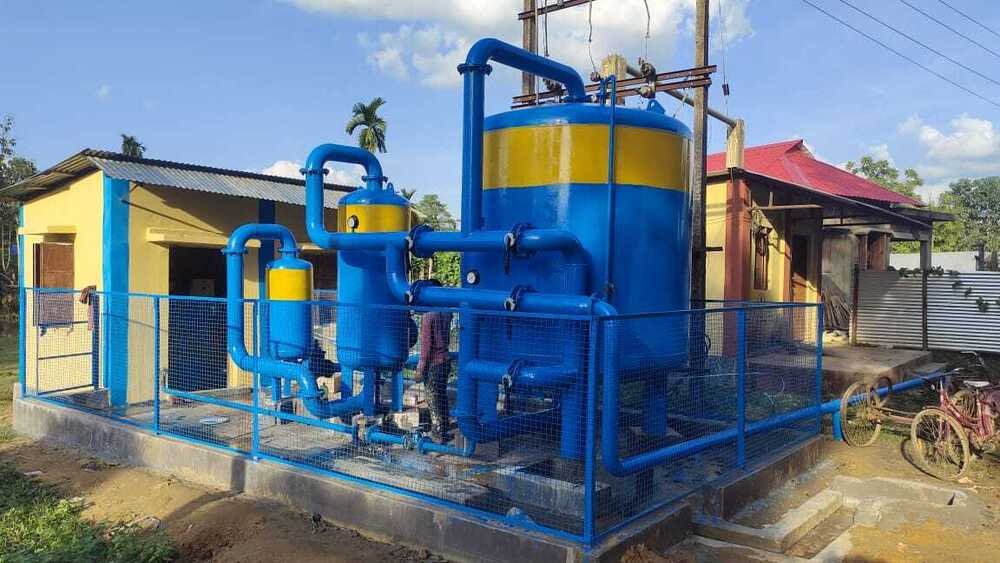
Living in a home with a private well has its advantages. There’s a certain peace of mind that comes with having your own water source, independent of municipal supplies. Many homeowners appreciate the fresh taste, the reliability, and the control that well water provides. Still, owning a well also comes with responsibility. Unlike city water, private wells aren’t routinely monitored by public utilities, which means the quality of the water depends largely on regular testing and proper maintenance.
The interesting thing about water is that problems don’t always announce themselves with obvious warning signs. Sometimes the water looks perfectly clear while hidden minerals or naturally occurring contaminants quietly affect plumbing, appliances, and even the taste of your morning coffee. That’s why understanding your water is far more valuable than simply reacting when something goes wrong.
Well Water Is Naturally Unique
No two wells are exactly alike.
Water travels through layers of soil, sand, limestone, and underground rock before reaching a home’s plumbing system. During that journey, it can collect minerals like calcium, magnesium, iron, and manganese. In some regions, sulfur, sediment, or naturally occurring bacteria may also become part of the water supply.
Because local geology varies so much, neighboring homes can have completely different water conditions despite being only a short distance apart.
That uniqueness is exactly why testing matters.
Rather than assuming your water is the same as everyone else’s, it’s worth finding out what is actually flowing through your pipes.
Common Signs Your Water May Need Attention
Water quality issues often begin with subtle changes that are easy to dismiss.
Maybe your sink develops orange stains that keep coming back. Perhaps your laundry doesn’t feel as soft as it once did, or your water starts carrying a metallic taste. Some homeowners notice reduced water pressure, while others discover unusual odors after running the tap for several seconds.
None of these symptoms automatically point to one specific issue, but together they suggest it’s time to look a little deeper.
Ignoring these early signs often allows minor concerns to develop into larger maintenance problems.
Why Testing Comes Before Treatment
It’s tempting to search online for a quick solution after noticing a problem. Unfortunately, water quality rarely works that way.
Iron, hardness, sulfur, sediment, tannins, and bacterial activity can create similar symptoms while requiring completely different treatment methods.
Professional testing identifies what’s actually present in the water instead of relying on guesswork.
Only after understanding the results can homeowners choose the most effective well water treatment approach for their specific conditions.
That small step often prevents expensive mistakes and unnecessary equipment purchases.
Iron Is One of the Most Common Challenges
Iron naturally occurs in groundwater throughout many parts of the country.
Although it usually isn’t considered a serious health concern at normal levels, it can create ongoing frustration inside the home. Rust-colored stains appear in sinks and toilets. Laundry becomes discolored. Fixtures lose their shine, and appliances gradually accumulate mineral deposits.
When iron concentrations become significant, homeowners often benefit from installing iron removal systems designed specifically to address these minerals before they spread throughout the plumbing system.
Modern equipment is capable of removing dissolved iron efficiently while helping protect water heaters, dishwashers, washing machines, and plumbing fixtures from unnecessary buildup.
Every Home Deserves Its Own Solution
One of the biggest misconceptions about water treatment is that every home needs the same equipment.
In reality, the ideal system depends on water chemistry, household size, plumbing configuration, and personal preferences.
Some homes require sediment filtration before anything else. Others benefit from water softeners, carbon filtration, ultraviolet disinfection, or specialized iron and manganese removal equipment.
That’s why experienced water professionals often recommend customized treatment solutions rather than standard packages.
Tailoring the equipment to actual water conditions usually delivers better performance while avoiding unnecessary complexity.
Water Quality Influences Everyday Life
Most people think of drinking water first, but filtration affects much more than what’s inside a glass.
You cook with it. Brew coffee. Wash produce. Bathe your children. Fill your pet’s bowl. Wash clothing and dishes. Every appliance connected to your plumbing relies on the quality of your water.
When the water improves, these everyday routines often become easier without requiring any changes to your habits.
Soap rinses more effectively. Dishes appear clearer. Laundry feels softer. Plumbing fixtures remain cleaner for longer periods.
They’re small improvements individually, but together they noticeably improve daily comfort.
Protecting Expensive Household Equipment
Water quality also plays a surprisingly important role in appliance longevity.
Mineral deposits can reduce water heater efficiency, clog plumbing fixtures, and force pumps to work harder than necessary. Sediment may shorten the life of washing machines, dishwashers, and filtration equipment if left unmanaged.
Routine water testing combined with appropriate treatment helps reduce these risks before expensive repairs become necessary.
In many cases, preventive maintenance costs far less than replacing damaged appliances later.
Maintenance Is Part of the Process
Even the best treatment systems require occasional attention.
Filters need replacement. Water softeners require routine servicing. Certain treatment systems benefit from periodic inspections to ensure everything continues operating efficiently.
Fortunately, modern equipment is generally designed to make maintenance straightforward.
Following recommended service schedules helps preserve consistent water quality while extending the lifespan of the system itself.
Like changing the oil in a vehicle, small maintenance tasks often prevent much larger problems later.
Investing in Peace of Mind
Improving well water isn’t only about removing stains or improving taste.
It’s about confidence.
Knowing your family has dependable water for drinking, cooking, bathing, and everyday household use provides reassurance that can’t easily be measured.
Whether you plan to stay in your current home for decades or simply want to protect your investment, understanding your water is one of the smartest decisions you can make.
It allows every future improvement to be based on facts rather than assumptions.
Final Thoughts
Private wells offer independence and dependable access to groundwater, but they also require homeowners to take an active role in protecting water quality. Fortunately, that responsibility doesn’t have to feel overwhelming.
Routine testing, thoughtful treatment, and regular maintenance go a long way toward preventing common water issues before they become expensive repairs. By understanding your home’s unique water conditions and choosing solutions designed specifically for those needs, you can enjoy cleaner, better-performing water throughout every part of your home.
In the end, water is more than just another household utility. It’s something your family depends on every single day. Investing in its quality is really an investment in the comfort, efficiency, and long-term health of your home.