
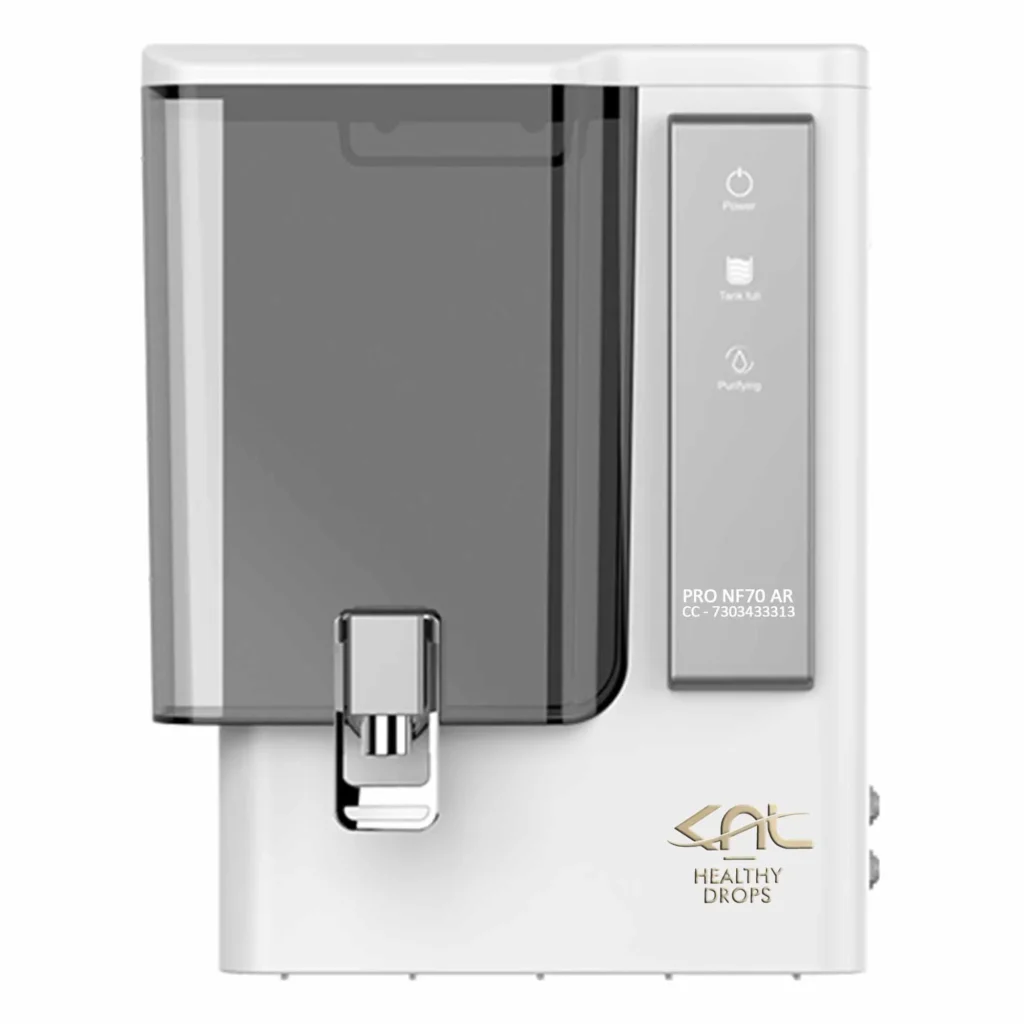
Water is one of those things we rarely think about until something seems wrong. Maybe the drinking water has an unusual taste, a faint smell, or a cloudy appearance that wasn’t there before. Sometimes, there’s no obvious warning at all. Either way, having access to clean, reliable water matters more than most of us realize. It affects what we drink, how we cook, and even how well our household plumbing holds up over time.
The good news is that modern water treatment offers several ways to address common water quality concerns. From ultraviolet technology to pH adjustment and advanced filtration, homeowners have more choices than ever. The challenge is knowing which options are actually useful for your home, rather than buying equipment you may not need.
Why Water Quality Deserves More Attention
Water quality isn’t determined by appearance alone. Clear water can still contain microorganisms, dissolved minerals, or certain chemical contaminants. On the other hand, a harmless mineral imbalance might affect taste or leave deposits on fixtures without making the water unsafe to drink.
Your water source makes a difference, too. Municipal supplies are generally treated and monitored, but water can sometimes pick up contaminants as it travels through aging pipes or household plumbing. Private wells have different responsibilities. Homeowners usually need to arrange appropriate testing themselves because private wells aren’t regulated in the same way as public water systems.
A sensible first step is to understand what’s in your water. Check your local water quality report if you use a municipal supply, or arrange laboratory testing if you rely on a private well. Testing provides a starting point for choosing treatment equipment that addresses actual problems instead of guesswork.
How Ultraviolet Treatment Helps Protect Drinking Water
One treatment option worth understanding is uv purification, which uses ultraviolet light to inactivate certain microorganisms in water. When water passes through a properly designed UV chamber, the light damages the genetic material of susceptible bacteria, viruses, and protozoa, preventing them from reproducing effectively.
Unlike chemical disinfection, UV treatment doesn’t normally add disinfecting chemicals to the water or noticeably change its taste. That’s a major reason homeowners consider it for private wells and other supplies where microbial contamination is a concern.
However, UV systems aren’t a universal solution. They don’t remove dissolved metals, salts, pesticides, or other chemical contaminants. They also work best when the water is sufficiently clear, since suspended particles can shield microorganisms from the light. Depending on the source water, sediment filtration may be necessary before UV treatment.
Maintenance matters just as much as installation. UV lamps need replacement according to the manufacturer’s schedule, and the protective sleeve must remain clean enough for light to pass through effectively. A system that looks fine on the outside can become less effective if these basic requirements are overlooked.
For homes with suspected bacterial contamination, UV treatment may be useful as part of a broader treatment plan. Still, water testing should guide the decision, and any immediate health concern should be addressed with appropriate public health advice rather than relying on a newly installed device alone.
Understanding pH and Why It Matters
The pH level of water indicates how acidic or alkaline it is. The scale typically runs from zero to fourteen, with seven considered neutral under standard conditions. Lower values indicate greater acidity, while higher values indicate greater alkalinity.
Why should a homeowner care? Water pH can influence plumbing corrosion, mineral deposits, taste, and how certain treatment processes perform. Acidic water, for example, may contribute to corrosion in metal plumbing, potentially increasing the release of metals such as copper or lead where susceptible materials are present. Water with a higher pH may contribute to scaling or affect how some disinfectants work.
That doesn’t mean every household needs pH adjustment. The ideal approach depends on the water’s overall chemistry, plumbing materials, and intended use. A single pH reading also doesn’t tell the whole story. Alkalinity, hardness, dissolved minerals, and other characteristics can affect how water behaves.
Testing is especially valuable when you notice blue-green staining around sinks, unusual metallic tastes, or recurring scale buildup. These signs aren’t proof of a particular water problem, but they can be reasons to investigate further.
When pH-Balancing Filters Make Sense
Some households may benefit from ph balancing water filters when testing identifies water that is too acidic or when a specific treatment process requires pH adjustment. Depending on the system, treatment may involve calcite media, other neutralizing materials, or carefully controlled chemical addition.
Calcite neutralizers, for instance, gradually dissolve calcium carbonate into acidic water. This can raise the pH and reduce the water’s tendency to corrode certain plumbing materials. However, the added calcium may also increase hardness, so a water softener could be needed in some situations.
It’s important not to confuse pH adjustment with comprehensive purification. A filter that changes acidity doesn’t automatically remove bacteria, arsenic, nitrates, or other harmful substances. Each treatment method has a specific purpose, and one device rarely solves every water quality issue.
Before choosing a pH-balancing system, consider professional water analysis and the likely effects on your plumbing and appliances. An appropriate solution should correct the identified issue without creating another one.
Choosing a Water Filter System That Fits Your Home
With so many products available, selecting a water filter system can feel surprisingly complicated. Countertop filters, under-sink units, whole-house systems, and specialized treatment equipment all serve different purposes.
An under-sink filter may be practical if your main concern is drinking and cooking water. A whole-house system treats water entering the property, which can make sense when the problem affects showers, laundry, plumbing, or multiple taps. UV equipment is more specialized and is generally considered when microbial control is needed.
Look beyond marketing claims when comparing products. Check which contaminants the equipment is designed to reduce, whether independent performance testing supports those claims, and how frequently cartridges or other components need replacing. Certification from a recognized organization, such as NSF, can help verify specific performance claims, although the exact standard and contaminant reduction listed still matter.
Operating costs deserve attention, too. Replacement filters, electricity, water waste, maintenance visits, and occasional laboratory testing can add up. A cheaper system isn’t always the least expensive choice over several years.
Installation should also be considered. Some units are straightforward to fit, while others require plumbing changes, drainage connections, or electrical supplies. If you’re uncertain, professional installation can help ensure the system operates as intended.
A Practical Approach to Safer Water
The best water treatment setup isn’t necessarily the most expensive or complicated one. It’s the system that responds to your water’s actual condition and can be maintained reliably over time.
Start with a credible water test. Identify whether the concern involves microorganisms, acidity, hardness, sediment, or dissolved contaminants. Then choose equipment designed for that specific purpose. In some homes, a simple drinking-water filter is enough. In others, a combination of sediment filtration, pH adjustment, UV treatment, or another specialized process may be appropriate.
Remember that water treatment doesn’t end when installation is complete. Replace consumables on schedule, keep maintenance records, and retest when necessary, especially if you use a private well or notice a change in taste, smell, or appearance.
Clean water is easy to take for granted, and that’s understandable. It’s part of everyday life. But a little attention to testing, sensible equipment selection, and regular upkeep can make a real difference. Instead of guessing what your water needs, take the time to understand it first. The result is a more practical investment and greater confidence in the water your household uses every day.