
Good Water Starts With Knowing What You Need
Water problems have a funny way of becoming noticeable at the worst possible time. Maybe the morning coffee suddenly tastes strange. Maybe there’s a faint odor from the kitchen tap, or white buildup around the showerhead that seems to return no matter how often you clean it.
These small frustrations can make homeowners start looking at water filtration. But with so many systems available, choosing one can feel like walking into a hardware store without a clue what half the boxes actually do.
The good news is, it doesn’t need to be that complicated. The right place to begin is with the water itself.
Test First, Then Choose a Solution
Before purchasing a filtration system, homeowners should try to understand what is actually happening with their water. Taste and appearance can provide clues, but they don’t tell the whole story.
A professional water test can identify characteristics such as hardness, pH, sediment, minerals, and other water-quality concerns. Once those results are available, it becomes easier to decide whether basic filtration, softening, or a more specialized treatment approach is appropriate.
This step can also prevent an expensive mistake. There’s no point installing a system designed for one problem when your home has an entirely different one.
When Taste and Odor Are the Main Concern
Sometimes water isn’t visibly dirty or cloudy. It simply doesn’t taste very good. Perhaps there’s a chlorine-like taste, an earthy smell, or another noticeable odor that makes you reach for bottled water instead.
In situations like this, carbon filtration for taste & odor can be a practical option. Activated carbon is commonly used to improve the taste and smell of water by reducing certain compounds responsible for unpleasant characteristics.
It’s worth remembering, though, that carbon filtration isn’t designed to solve every possible water-quality issue. The exact performance depends on the filter technology, water chemistry, and what you’re trying to remove.
Not All Water Problems Are Straightforward
Some homes have water issues that require more than a basic filter. A property may have unusual mineral content, specific contaminants, or other conditions that aren’t addressed effectively by standard filtration.
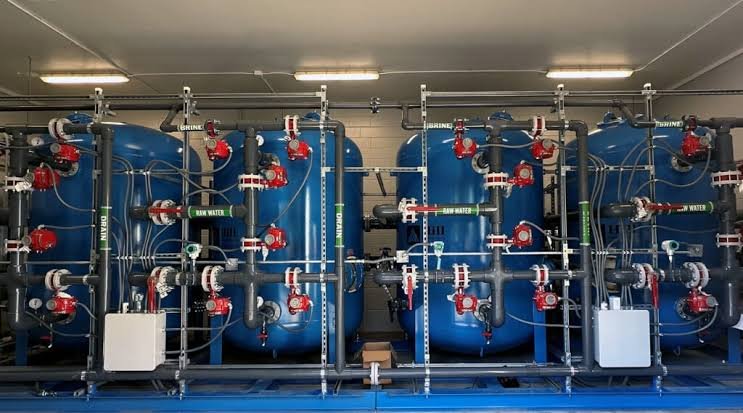
That’s where specialty filtration for problem water can come into the conversation. Specialized treatment equipment can be selected around particular water conditions rather than relying on a general-purpose filter.
This is one area where professional guidance is especially useful. Instead of guessing which product will work, homeowners can have their water evaluated and discuss treatment options based on actual results.
The goal isn’t to create the most complicated system possible. It’s to use the right technology for the problem.
Hard Water Deserves Its Own Solution
Hard water is another common complaint. It contains elevated levels of calcium and magnesium, which can create scale and mineral deposits around fixtures and appliances.
You may notice white spots on glasses, buildup around faucets, or showerheads that gradually become less effective. Soap and shampoo can also be more difficult to rinse away.
If testing confirms that hardness is an issue, a water softener may be appropriate. In some homes, filtration + softening can provide a more complete approach, addressing both unwanted particles or compounds and the effects of hard water.
The important thing is to understand what each component is doing. Filtration and softening aren’t interchangeable technologies, and combining them only makes sense when the home’s water conditions justify it.
Whole-Home or Point-of-Use?
Another decision homeowners face is whether they need treatment for the entire house or only for drinking water.
A point-of-use system, such as an under-sink filter, can be convenient when the primary goal is improving water used for drinking and cooking. It can also be less expensive and easier to install.
Whole-home treatment is different. It treats water before it reaches multiple fixtures, making it useful when water-quality concerns affect showers, laundry, appliances, and other areas throughout the property.
Neither approach is automatically better. It depends on what you want to accomplish and what the water test reveals.
Think About Maintenance Before Buying
A filtration system isn’t a set-it-and-forget-it appliance. Filters need replacement, components may need inspection, and some systems require regular service.
Before purchasing anything, ask how often filters need to be changed and how much replacement equipment typically costs. Find out whether the system needs electricity, drainage, salt, or other ongoing supplies.
These details can seem minor when you’re shopping, but they become important later. A system that’s difficult to maintain may eventually become one more household chore you keep putting off.
And that’s not ideal.
Professional Installation Can Save Headaches
Proper installation is another piece of the puzzle. Water pressure, plumbing connections, drainage, available space, and system configuration all need to be considered.
A professional installer can make sure the equipment is connected correctly and operating as intended. They may also identify plumbing issues that could interfere with the new system.
Good installation isn’t something you’ll necessarily notice every day. In fact, if everything is done properly, you probably won’t think about it at all. That’s a good sign.
Don’t Let Marketing Decide for You
Water treatment products often come with impressive claims. Some may be perfectly legitimate, while others can sound much better than they really are.
Instead of choosing a system because of a catchy label, focus on measurable information. What problem does it address? What technology does it use? What are its maintenance requirements? Has the equipment been properly tested or certified for the claims being made?
A reputable professional should be willing to answer those questions without making you feel like you’re sitting through a sales presentation.
The Best System Is the One That Fits
There’s no single filtration system that’s perfect for every home. Water quality varies, household needs vary, and budgets vary.
That’s why the smartest approach is fairly simple: test your water, identify the problem, compare appropriate technologies, and think about long-term maintenance before making a decision.
You may end up with a straightforward carbon filter. You may need softening. Or perhaps your water requires a more specialized treatment system. Whatever the answer, it should be based on your home’s actual needs.
Clean, pleasant water doesn’t have to involve guesswork. With good information, the right equipment, and proper care, water treatment can become a quiet improvement that makes everyday life just a little easier.