
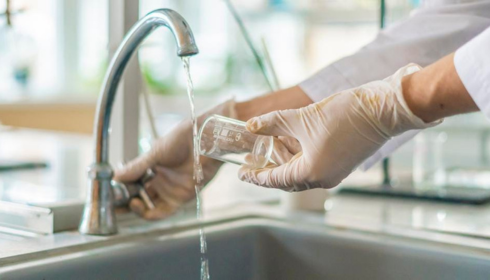
Have you ever turned on your faucet, filled up a glass of water, and paused for a second — not because you’re admiring the clarity, but because you’re wondering, “Is this actually safe to drink?” If you’ve had that moment of hesitation, you’re not alone. Water is one of those things we take for granted until something tastes off or our skin gets irritated. And honestly, there’s more going on in your water than you probably think.
Let’s dive into what might be lurking in your tap, why it matters, and what you can do about it — without making it all sound like a high school chemistry lesson.
The Invisible Guests in Your Glass
Here’s the deal: not all water is created equal. Even if it looks crystal clear, it could be a cocktail of minerals, chemicals, metals, and even microorganisms. These water contaminants sneak in from various places — old pipes, agricultural runoff, industrial waste, or even natural geological formations. Yep, sometimes nature’s to blame too.
Some of the usual suspects? Lead, nitrates, arsenic, bacteria like E. coli, chlorine, and PFAS (those “forever chemicals” you’ve probably heard about in the news). Some of these are harmless in tiny amounts, but others can build up over time and do a number on your health.
But My Water Tastes Fine…
You’d think something dangerous would taste bad, right? Not necessarily. The truth is, many contaminants are tasteless, odorless, and invisible. That weird metallic tang or chlorine smell? That’s just the stuff your senses can detect. The real troublemakers often don’t announce themselves.
That’s why people who rely on their taste buds alone to judge water safety are playing a risky game. Your tap could be delivering clean hydration — or a silent health hazard. It’s kind of like eating candy with an unknown filling: sure, it might be chocolate… or it might be toothpaste.
Where the Trouble Begins: Common Sources of Contamination
Let’s not get too doom and gloom, but it helps to know the “how” behind contamination. Here are a few common pathways:
- Aging infrastructure: Old lead or corroded pipes can leach harmful metals into your drinking water.
- Agriculture: Fertilizers and pesticides make their way into groundwater and wells.
- Industrial discharge: Factories sometimes (legally or not) release chemicals into nearby water supplies.
- Natural sources: Some areas just naturally have higher arsenic or radon levels in the ground.
Basically, even if you’re living in a suburban neighborhood far from factories or farms, you’re not off the hook.
Real Talk: Health Impacts Aren’t Always Immediate
One of the scariest things about poor water quality? The effects can take years to show up. Chronic exposure to even low levels of certain contaminants — like lead or nitrates — can cause long-term issues. We’re talking developmental problems in kids, kidney damage, reproductive issues, or even certain types of cancer.
It’s not fear-mongering. It’s just that water quality issues often fly under the radar until they hit a breaking point — like the Flint, Michigan crisis. That event opened a lot of eyes, but similar problems still quietly exist in hundreds of communities.
The Case for Testing: What You Don’t Know Can Hurt You
If you’ve never tested your water, here’s your friendly nudge to start. And I don’t mean just grabbing one of those simple strips from the hardware store. Those are fine for general indicators, but they won’t give you the full picture.
Professional water testing services dig deep — analyzing for dozens (sometimes hundreds) of potential contaminants. These companies can test municipal tap water, well water, and even rainwater collection systems. And they don’t just tell you what’s wrong — they help you figure out what to do about it.
Think of it like getting a blood test: knowing what’s going on gives you the power to take action.
Okay, So I Tested. Now What?
If your test results show contamination (or even borderline issues), don’t panic. There are practical, affordable solutions out there — from whole-home filtration systems to under-sink reverse osmosis filters. Sometimes, it’s as simple as replacing corroded plumbing or adjusting your well setup.
It’s not always cheap, but consider the long-term health savings. Water is something you use every day — for cooking, drinking, showering, even brushing your teeth. Clean water shouldn’t be a luxury, and fixing problems now could save you serious money (and health troubles) down the road.
But Isn’t City Water Regulated?
Yes, municipal water suppliers are supposed to meet safety standards. But the keyword there is “supposed.” Even with EPA regulations in place, violations happen — more often than most of us realize. And those standards? They don’t always account for newer contaminants or the latest science.
Plus, even if the water leaves the treatment plant clean, it still has to travel through miles of pipes before reaching your tap. If those pipes are old or compromised, guess what? Contaminants can creep in along the way.
So yes, city water can be better than untreated well water — but it’s not immune from problems.
Signs It’s Time to Test Your Water
You shouldn’t have to wait for disaster to strike. Here are a few cues that testing is a smart idea:
- You live in an older home with aging plumbing
- Your area has known contamination issues
- You use well water
- Your water smells weird or has an odd taste
- Your clothes come out stiff or your hair feels funky after a shower
- You’re pregnant or have kids at home
Honestly, even if none of these apply, testing at least once gives you peace of mind. And if something’s off? Now you know, and knowledge is power.
Don’t Just Trust the Bottle, Either
Think bottled water is your ticket to safety? Not always. Some brands are just glorified tap water, and plastic bottles can leach chemicals if stored poorly. Plus, all that plastic waste? Yikes.
Filtration and regular testing at home is often a more eco-friendly and reliable route — especially if you’re drinking water daily (which, let’s be real, you should be).
Final Thoughts: You Deserve Better Water
Water is life. It’s not just a saying — it’s a fact. And yet, we often overlook its quality until something goes wrong. But you don’t need to wait for a crisis to care. Taking a proactive approach, understanding what’s really in your water, and investing in proper testing or filtration can make a world of difference.
So the next time you fill that glass? You’ll know exactly what’s in it — and what isn’t.
Because peace of mind tastes better than anything else.