
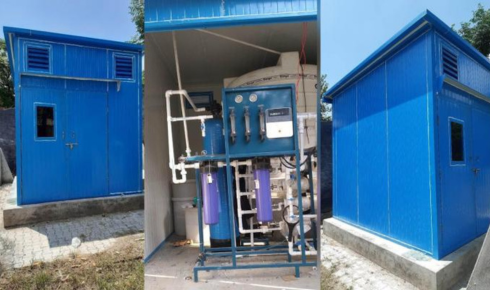
Life in The Villages has a way of slowing things down—in a good way. Mornings stretch out. Neighbors chat a little longer. Routines feel settled. And then there’s water, quietly woven into all of it. You don’t really think about it until something changes. Soap that doesn’t lather. Glasses that never quite look clean. Skin that feels tight after a shower. None of it feels dramatic, but it’s persistent enough to notice.
That’s usually when people here start asking questions about their water.
Why Water Feels Different in This Part of Florida
Central Florida relies heavily on groundwater, and that water naturally carries minerals like calcium and magnesium. These minerals aren’t harmful—in fact, they’re common in many healthy water sources—but they do make water “hard.” Hard water behaves differently. It leaves scale, resists soap, and slowly takes a toll on plumbing and appliances.
In a place where people plan to stay put and enjoy their homes for years, those small issues add up. That’s why conversations around water softeners the villages tend to come from lived experience, not abstract concerns.
What a Water Softener Actually Changes
A water softener doesn’t purify water in the way people sometimes imagine. It doesn’t strip everything out. Instead, it targets hardness minerals and replaces them with sodium or potassium ions through a process called ion exchange.
The result is water that behaves more gently. Soap lathers easily. Showers feel smoother. Towels come out of the wash softer. Scale buildup slows down. It’s not flashy—but it’s immediately noticeable in daily routines.
For many households, that shift alone is enough to make water feel “right” again.
Choosing the Right Fit, Not the Biggest System
One of the common mistakes people make is assuming bigger or more complex is better. In reality, the best solution is the one that matches your actual water profile and how you use water day to day.
Some homes benefit from a whole-house softener that treats all incoming water. Others are perfectly comfortable with targeted solutions. When residents talk about installing a water softener the villages, the most satisfied ones usually started with testing, not assumptions.
Testing removes the guesswork. It tells you how hard your water really is and whether softening alone will solve the problem—or if something more is needed.
The Quiet Benefits You Don’t Think About Right Away
The most obvious improvements show up quickly: better showers, cleaner dishes, easier laundry. But some of the biggest benefits are long-term and easy to miss.
Softened water is gentler on pipes and appliances. Water heaters last longer. Coffee makers and kettles don’t clog up with scale as fast. Plumbing fixtures stay cleaner with less effort. Over years, that translates into fewer repairs and replacements.
In a community built around comfort and longevity, those savings—both time and money—matter.
Softening Isn’t the Same as Purifying
Here’s where things often get confusing. Softening and purification serve different purposes. Softening addresses hardness. Purification focuses on removing contaminants, improving taste, and refining water quality.
That’s why many homes eventually combine softening with filtration or purification. Conversations around water purification the villages usually come after hardness issues are handled and people start paying attention to taste, clarity, or drinking water quality.
Think of softening as making water easier to live with, and purification as making it cleaner and more refined. They complement each other, but they’re not interchangeable.
Do You Need Both? Sometimes, Yes
Not every household needs a full purification system. But for residents sensitive to taste, or those who simply want the best possible drinking water, adding purification makes sense.
Some people choose under-sink filtration for drinking and cooking water while keeping a softener for the rest of the house. Others prefer a more integrated approach. There’s no universal answer—and that’s actually a good thing. It means solutions can be tailored, not forced.
Maintenance: The Part Nobody Loves (But Everyone Needs)
Water systems work best when they’re cared for. Softeners need salt replenishment. Filters need replacement. Occasional checkups keep everything running smoothly.
The good news is that modern systems are designed with simplicity in mind. Clear indicators, predictable schedules, and minimal hands-on work make maintenance manageable—even for people who’d rather not think about equipment at all.
A little attention goes a long way here.
The Emotional Side of Better Water
This might sound odd, but water quality has an emotional layer. There’s comfort in knowing your water won’t damage appliances. Relief in showers that don’t leave skin irritated. Confidence in offering a guest a glass of tap water without hesitation.
These aren’t things people brag about. They’re things people quietly appreciate every day.
Taking the Long View
Most people don’t move to The Villages for a short stay. They’re building a lifestyle. Decisions about water, like decisions about home upgrades or healthcare, tend to reflect that long-term thinking.
Softening and purification aren’t about fixing a crisis. They’re about smoothing out daily life, protecting what you’ve invested in, and reducing small annoyances that otherwise linger for years.
Ending on a Simple Note
Good water doesn’t demand attention. It fades into the background of daily life—exactly where it belongs. When your water works the way you expect it to, you stop thinking about it altogether.
And in a place designed for ease, enjoyment, and connection, that quiet reliability might be the best feature of all.