
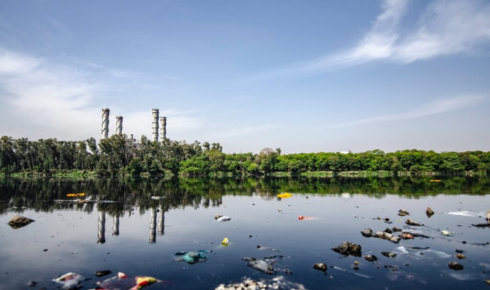
Let’s face it—we take water for granted. It’s always there when we need it. Turn the tap, and out it comes. No questions asked. We cook with it, bathe in it, brush our teeth, fill our water bottles, water the plants, rinse the veggies… the list goes on.
But what if that crystal-clear water isn’t as clean—or as safe—as it seems?
We tend to assume water from our city or our private well is “good enough.” But stories keep surfacing—both in the news and in neighborhoods—about hidden contaminants, aging infrastructure, or simply over-treated water. If you’ve been wondering whether your water’s as clean as it could be, you’re not just being paranoid. You’re being smart.
Let’s take a relaxed, honest look at the concerns around tap water—whether it’s coming from the city or your backyard well—and what you can do to feel confident about every drop.
The Problem Nobody Wants to Talk About: City Water Woes
When you live in a city or suburb, you’re likely getting water that’s been treated, filtered, and disinfected. Great, right? Mostly, yes. But not always.
Public water systems, while regulated, aren’t flawless. They can contain chlorine byproducts, microplastics, rust from old pipes, or even trace pharmaceuticals that sneak past filtration systems. And those “boil water advisories” we hear about? They’re not just overreactions—they’re warnings that something went wrong.
City water issues vary wildly depending on where you live, how modern the treatment plant is, and how well the pipes are maintained. Even if your water meets legal standards, that doesn’t always mean it’s ideal for your health—or your tastebuds.
And if you’ve ever noticed that odd chlorine smell or a weird taste in your glass, you’re already feeling the effects.
Wells Aren’t Off the Hook Either
Now, if you’re in a rural area, you might rely on well water. No monthly water bill, no chlorine… sounds perfect, right?
Not quite.
Wells can be vulnerable to a whole different set of risks—everything from runoff pesticides to animal waste to naturally occurring arsenic. And unless you’re testing regularly, there’s no real way to know what’s in your supply.
Well water contamination might sound like something from a faraway farm, but it’s more common than people think. Even a seemingly pristine property can have groundwater tainted by neighboring farms, construction sites, or septic systems. The scary part? Contaminants like nitrates or bacteria are often invisible and tasteless.
So while well water might seem “natural,” it doesn’t guarantee safety.
Water That Looks Clean Isn’t Always Clean
Here’s the thing about water—it can be clear, odorless, and still loaded with stuff you don’t want to be drinking. Heavy metals. Pesticides. Bacteria. Volatile organic compounds (VOCs). Chlorine. Fluoride. Even lead.
The effects? Sometimes subtle. Sometimes not. Skin irritation. Upset stomachs. Strange odors. And over time, chronic exposure can lead to much bigger health issues.
That’s why more and more people are paying closer attention and opting for filtration, purification, or water delivery alternatives. Because once you start asking questions, you realize how much peace of mind is tied to safer drinking water.
How to Know What You’re Actually Drinking
No two water supplies are the same. So before you invest in any solution, it helps to start with a test. A real one—not just dipping a strip and guessing.
Lab-grade water testing kits are available online or through local services. You can test for bacteria, heavy metals, pH levels, and more. If you’re on city water, you can also request a water quality report from your municipality—though that won’t account for issues like old pipes in your home.
The goal here isn’t to panic. It’s to be informed. Knowing what’s in your water lets you decide what you want to take out of it—and how.
Your Options: From Small Fixes to Full Systems
Once you know what you’re dealing with, the fun part begins: finding a fix that fits your needs, lifestyle, and budget.
- Pitcher Filters: Affordable and portable. Good for improving taste and removing chlorine, but limited in scope.
- Faucet or Under-Sink Filters: A step up. Removes a wider range of contaminants like lead and certain chemicals.
- Reverse Osmosis Systems: More advanced. Removes most contaminants, including fluoride and heavy metals.
- Whole-Home Filtration: If you’re concerned about water in your laundry, showers, and everywhere else, this is the gold standard.
- UV Purifiers: Great for killing bacteria, especially for well water users.
You don’t need to go all-in right away. Even a small change can make a big difference. Cleaner coffee. Brighter laundry. Healthier skin. Better peace of mind.
It’s Not About Fear—It’s About Control
Let’s be real: the idea of water being “unsafe” feels overwhelming. No one wants to believe their daily essentials could be doing more harm than good.
But this isn’t about fearmongering. It’s about making informed choices and doing what feels right for you and your family. Whether that’s running your tap through a high-quality filter, scheduling a water test, or just switching up your showerhead—every step matters.
And once you make the change, you’ll notice. Not just in how your water tastes or smells, but in how it feels to know you’ve taken control of something so essential.
Final Thoughts: Don’t Wait for a Crisis
Whether you’re sipping city water or drawing from a private well, the assumption that it’s “probably fine” isn’t really enough anymore. The world’s gotten more complex. So has our water.
But with the right information—and a little intention—you can make simple, smart choices that give you cleaner, safer water every day.
Start with awareness. Get your water tested. And don’t be afraid to upgrade your setup if it brings you peace of mind.