
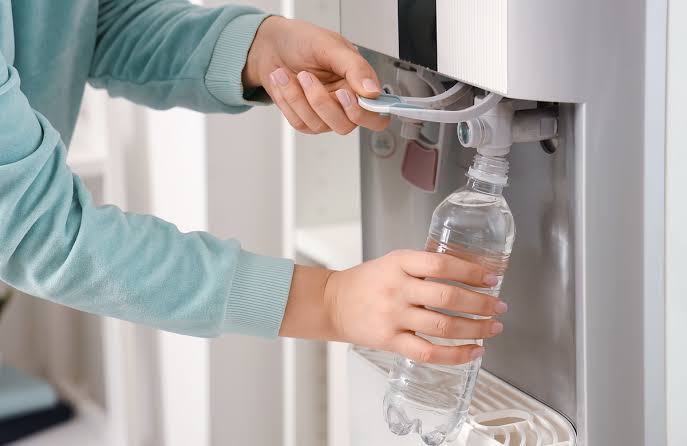
Walk into almost any busy office, reception area, or family kitchen, and you’ll probably find one thing people use without giving it much thought: a place to get a drink of water. It might be a dispenser in the corner, a bottle stored in the refrigerator, or a filter fitted neatly beneath the sink. These small conveniences make daily life easier, especially when everyone is juggling work, school, errands, and everything else.
But choosing a drinking water setup isn’t always as straightforward as it seems. There are bottled dispensers, bottleless systems connected to the water supply, and specialised options that change the characteristics of drinking water. Each has its own advantages, costs, and maintenance requirements. The best choice depends on how much water you use, the space available, and what matters most to your household or business.
Start With Your Everyday Water Habits
Before comparing equipment, think about how people will use it. A family of four may need a reliable supply for drinking, cooking, and filling reusable bottles throughout the day. A small office might need enough water for employees and occasional visitors, while a larger workplace could benefit from a system designed for frequent use.
Consider the location, too. Is there enough room for a dispenser and spare bottles? Is a suitable water connection nearby? Will people need chilled water during hot weather, or would room-temperature water be enough? These practical questions often make the decision easier than comparing a long list of technical features.
It’s also worth checking your existing water supply before investing in additional equipment. Municipal water is generally treated and monitored, but private supplies and household plumbing can present different concerns. If you’re unsure about water safety, review the relevant water quality report or arrange suitable testing before choosing a treatment system.
Understanding Alkaline and Ionized Water
Drinking water products sometimes promise a different experience by adjusting the water’s pH or using an electrical process to produce ionized water. This category attracts attention from people interested in hydration, taste, and wellness, but the marketing can get ahead of the evidence.
Products offering alkaline / ionized water may use filtration and electrolysis to alter the water’s characteristics. Some people prefer the taste, and certain systems can also include filtration stages that reduce specific contaminants. However, the benefits of the filtration component should be considered separately from claims about alkalinity.
For most healthy people, there is not strong evidence that drinking alkaline water provides major health advantages over ordinary safe drinking water. The human body also regulates blood pH closely, so drinking alkaline water should not be treated as a way to change the body’s overall acidity. Claims that it prevents disease or replaces medical treatment deserve particular caution.
If you’re considering an ionized water machine, ask what the device actually removes, whether its filtration performance has been independently verified, and what maintenance it requires. A higher pH reading alone does not prove that water is safer or healthier.
Ultimately, safe water that you enjoy drinking consistently is a sensible goal. You don’t necessarily need a specialised machine to achieve it.
The Familiar Convenience of Bottled Dispensers
For many homes and workplaces, a traditional dispenser is an easy option. The unit provides access to drinking water without requiring permanent plumbing changes, making it useful in rented properties, temporary offices, or rooms where installing a dedicated water line would be difficult.
Modern bottled water coolers / dispensers may offer chilled water, room-temperature water, or hot water for tea and instant drinks. Some models use large refillable containers, while others accommodate smaller bottles. The right design depends on demand, available space, and how often you want deliveries.
One of the biggest advantages is flexibility. You can place the dispenser where it’s most convenient, provided the floor or surface can support its weight and the unit has the necessary electrical access if cooling or heating is included. If you move premises, you can generally take the equipment with you.
There are trade-offs, naturally. Large bottles can be heavy to lift and replace, and households or offices with high consumption may need frequent deliveries. You’ll also need a clean place to store spare containers. Delivery fees, bottle deposits, and the price of the water itself can add up, so compare the full cost rather than looking only at the dispenser’s purchase price.
Hygiene matters as well. Follow the manufacturer’s cleaning instructions, keep dispensing points clean, and store sealed bottles appropriately. A well-maintained unit is more useful than an expensive model that’s rarely cleaned.
Is a Bottleless Dispenser a Better Fit?
A bottleless system takes a different approach. Instead of relying on delivered containers, it connects to a suitable water line and typically uses filters to improve water quality. This arrangement can be particularly convenient in workplaces where many people refill bottles throughout the day.
With bottleless water coolers / dispensers, you don’t need to organise regular bottle deliveries or find storage space for bulky containers. Once installed, the system can provide a continuous supply as long as the plumbing and equipment are functioning properly.
Many models offer chilled and room-temperature water, while some also provide hot water. Certain units include several filtration stages, but the specific benefits vary. A filter’s performance depends on its design, the contaminants present, and whether the cartridge is replaced on schedule.
Installation is an important consideration. You’ll need an appropriate water connection, sufficient space, and potentially access to drainage or an electrical outlet, depending on the model. A professional installer can confirm whether your chosen location is suitable.
Bottleless systems can reduce the need for single-use packaging and bottle transport, although their overall environmental impact depends on filter disposal, electricity consumption, maintenance, and the source of the incoming water. They aren’t automatically the best option for every situation, but they can be practical where water demand is steady and a suitable connection is available.
Compare the Real Cost of Ownership
The initial price tells only part of the story. A bottled dispenser may be relatively inexpensive to purchase, yet recurring water deliveries can become a significant expense. A bottleless unit may cost more to install but reduce the need for delivered containers over time.
Make a simple estimate based on your actual usage. Include equipment costs, water purchases, installation, replacement filters, electricity, and servicing. For a business, consider how much staff time goes into ordering water, handling deliveries, and replacing heavy bottles.
Ask suppliers about warranties and replacement parts before making a commitment. If a system uses proprietary filters, check their availability and cost. For a rental arrangement, read the agreement carefully so you know which repairs, consumables, and service visits are included.
Maintenance Should Be Easy to Manage
Whatever system you choose, routine care is essential. Dispensers need regular cleaning, and filtration cartridges must be replaced according to the manufacturer’s instructions. Delaying maintenance can affect performance and, depending on the system, may compromise water quality.
Keep a record of filter changes and service visits. If the water develops an unusual taste or smell, investigate rather than assuming the dispenser itself is responsible. The incoming supply, plumbing, and filter condition can all play a role.
For systems intended to reduce particular contaminants, use products with appropriate independent certification and follow the recommended maintenance schedule. If a health-related concern is involved, testing may be necessary to confirm that the system is performing as expected.
Make Drinking Water Convenient, Not Complicated
The right drinking water setup should fit naturally into your routine. Bottled dispensers offer flexibility where plumbing is limited, while bottleless systems can simplify supply management in busy homes and workplaces. Specialised ionized water products may appeal to certain users, but their claims should be evaluated carefully.
Start with your water source, daily consumption, available space, and budget. Compare the ongoing costs, ask clear questions about filtration, and choose equipment that you can maintain properly.
In the end, the most useful system isn’t necessarily the newest or most expensive one. It’s the one that provides convenient access to safe drinking water, suits the people using it, and continues to work reliably long after installation.