
Clean drinking water is one of those everyday comforts that people rarely think about until something changes. Maybe the tap water tastes a little unusual, the kettle develops a layer of mineral deposits, or buying bottled water has become an expensive weekly habit. Whatever the reason, improving the water you drink doesn’t have to mean making major changes to your kitchen or taking on a complicated home improvement project.
Today, homeowners have several options for treating drinking water, from compact filters that fit beneath a sink to advanced purification systems designed for specific water quality concerns. The best choice depends on your water supply, available space, daily habits, and the substances you want to reduce. Understanding those differences makes it easier to invest in equipment that genuinely suits your household.
Start With the Water You Already Have
Before choosing a filtration system, take a moment to understand your current water quality. Municipal water supplies are generally treated and monitored, but the taste and characteristics of water can still vary depending on the source, treatment methods, and plumbing inside a property. Private well water can vary even more because local geology and environmental conditions influence its composition.
A strange taste or smell may be related to chlorine, minerals, plumbing, or another issue. However, appearances alone cannot tell you whether water is safe to drink. If you have concerns about contamination, arrange appropriate testing through a qualified laboratory or follow recommendations from your local water authority.
Testing helps identify which treatment methods are worth considering. For example, a household mainly concerned about chlorine taste may need a different filter from one dealing with elevated dissolved solids or a specific contaminant. Buying equipment before understanding the problem can lead to unnecessary expense and disappointing results.
It also helps to check your existing water report if you receive water from a public utility. This information provides a useful starting point, although testing at your own tap may be appropriate when plumbing conditions or other household-specific concerns could affect water quality.
When Reverse Osmosis Makes Sense
Some homeowners want more than basic taste improvement. They may be concerned about particular dissolved substances or simply prefer a dedicated purification system for drinking and cooking water. In these situations, reverse osmosis systems are worth investigating.
Reverse osmosis uses a semipermeable membrane to separate water from many dissolved substances and other impurities. Depending on the system design and membrane performance, it can reduce substances such as certain dissolved salts, lead, arsenic, and nitrate. The exact results vary, so it is important to check product performance claims and certifications for the contaminants that matter to you.
These systems are often installed beneath the kitchen sink and connected to a dedicated drinking-water faucet. That arrangement keeps the equipment out of sight while making treated water readily available for filling glasses, preparing tea, washing produce, and cooking meals.
There are practical considerations, too. Reverse osmosis units require filter changes and eventual membrane replacement. Many models also send some water to the drain during operation, although efficiency varies considerably between designs. Some systems use a storage tank, while others offer tankless configurations.
Reverse osmosis should not automatically be considered necessary for every home. If your primary concern is an unpleasant taste, a simpler certified filter may be enough. The right decision comes from matching the technology to your water test results and household priorities rather than choosing the most advanced product available.
Understanding Tankless Drinking Water Technology
Kitchen space is often limited, especially in apartments and homes where the area beneath the sink already contains cleaning supplies, plumbing, or a garbage disposal. Traditional filtration systems with storage tanks can take up a surprising amount of room.
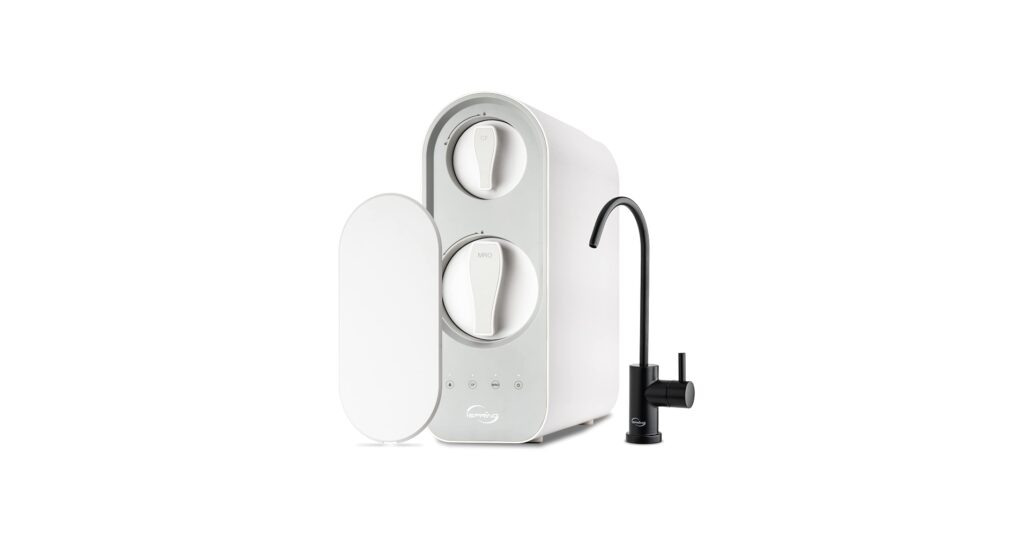
A tankless ro unit offers an alternative by treating water as it passes through the system instead of relying on a separate storage tank. Many models combine multiple filtration stages in a compact housing, making them attractive to homeowners who want a streamlined installation.
The smaller footprint is one of the most obvious advantages. Depending on the design, a tankless system may also provide a steady supply of treated water without waiting for a storage tank to refill. Some units include indicators that signal when filters need attention, which can make routine maintenance easier to manage.
Still, tankless technology is not automatically better for every household. Flow rate, water pressure, filter capacity, membrane performance, and replacement costs all deserve attention. Certain models may require electrical power, and installation requirements can vary. A compact design also does not guarantee that a product removes every contaminant of concern.
Before buying, check the manufacturer’s performance data and make sure the unit has been tested or certified for the specific reduction claims being advertised. If you are comparing two systems, look beyond their appearance and examine their operating costs, maintenance schedules, and expected output.
A Simpler Option for Everyday Drinking Water
Not every household needs a multi-stage purification system. Sometimes, the goal is simply to improve taste, reduce particular substances, and avoid the inconvenience of repeatedly purchasing bottled water.
Under sink water filters can be a practical choice for homes that want filtered water at one convenient point, usually the kitchen faucet. Many models use activated carbon or other filtration media to reduce chlorine taste and odour, while certain certified products are designed to reduce additional contaminants.
These systems are available in different sizes and configurations. Some connect to the existing faucet, while others use a separate tap for filtered water. Installation complexity depends on the model, the plumbing layout, and whether modifications are required.
One benefit is that treatment takes place where drinking and cooking water is used most often. There is no need to filter every gallon entering the house if the main concern is the water consumed at the kitchen sink.
The important detail is that filters differ in performance. A basic carbon filter may improve taste but might not reduce dissolved salts or every health-related contaminant. Always confirm which substances a particular model is certified to reduce, and replace its cartridges according to the manufacturer’s instructions.
Consider Maintenance Before You Buy
It is easy to focus on the initial purchase price when comparing filtration products. Yet the long-term cost often tells a more useful story. Replacement cartridges, membranes, service visits, electricity, and water usage can all contribute to the total expense over time.
Ask how frequently each component needs replacing and whether replacement parts are easy to obtain. Some systems use proprietary cartridges, while others offer more widely available options. Neither approach is automatically wrong, but you should understand the ongoing commitment before making a decision.
Installation matters as well. A system that fits neatly beneath the sink should still leave enough room for plumbing access and future filter changes. If you rent your home, check whether the installation requires permission or permanent alterations.
Keep a simple record of filter replacements and any maintenance work. It takes very little effort, but it helps prevent missed service dates and makes it easier to identify when a system may need attention.
Make the Choice That Fits Your Home
Choosing drinking-water equipment is less about finding one universally perfect product and more about understanding what matters in your own kitchen. Water quality, available space, household size, budget, and maintenance preferences all play a role.
Start with reliable information about your water, compare products based on verified performance, and ask questions when a claim seems unclear. If a provider recommends a particular system, ask why it suits your situation and what evidence supports its contaminant-reduction claims.
It is also worth considering how you use water throughout the day. A busy household that cooks frequently may value convenient access to treated water, while a smaller household might prefer a straightforward filter with low maintenance requirements.
Ultimately, good drinking water solutions should make everyday routines simpler, not create more uncertainty. With a little research and a realistic understanding of your needs, you can choose a system that fits your space, budget, and lifestyle—and enjoy the reassurance of knowing why that choice makes sense.