
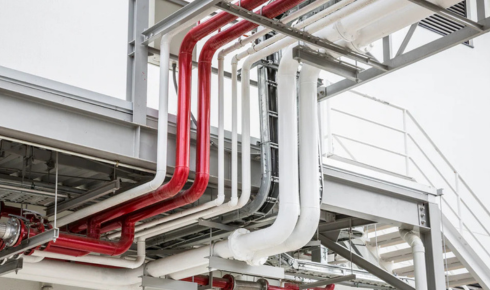
Every home has a rhythm — a quiet hum of systems working behind the walls, under the floors, and above the ceilings. One of the most overlooked but absolutely critical of these is plumbing. It’s not flashy, not showy. But the moment something goes wrong, oh boy, does it become the center of attention. Whether you’re building from the ground up, tackling a full remodel, or just trying to meet ever-evolving building codes, how your plumbing is designed and installed can make or break your entire living experience.
Let’s take a walk through what it really means to get plumbing done right — from initial planning to the daily trickle and gush of water you probably never think twice about.
Starting from Scratch: What You Need to Know About Plumbing System Installation
Imagine walking into your brand-new home. The walls are painted, the floors are gleaming, and everything smells like fresh wood and new beginnings. But beneath it all, your pipes are already working hard — sending hot water to your shower, draining last night’s pasta water, and quietly keeping everything flowing as it should.
A well-done plumbing system installation is about more than just connecting pipes. It’s about strategic planning, long-term vision, and thinking three steps ahead. Where will the water heater go? Are you placing bathrooms back-to-back for efficiency? Will your upstairs shower drain smoothly without backing up your kitchen sink downstairs?
This isn’t the part of the process where you wing it. You need licensed professionals who know how to read blueprints, work with your general contractor, and think beyond what’s visible. And trust me, if you skimp here, you’ll feel it for years — in leaks, clogs, and costly repairs.
Remodeling? Plumbing’s More Than an Afterthought
Now, let’s talk about remodeling. It’s exciting, right? You get to rip out that avocado-green tub, reimagine your kitchen, and finally put the washer and dryer somewhere that makes sense. But here’s a reality check: changing the layout of your home means messing with its veins — the plumbing.
Plumbing for remodels isn’t just about aesthetics. You might want to move a sink, but is there a drain line nearby? Want a second-floor laundry room? Cool idea — until you realize your joists weren’t designed to accommodate new water lines and a heavy washer.
What often starts as a Pinterest dream board quickly becomes a juggling act between what you want and what your existing system can handle. And sometimes, you’ll need to upgrade outdated pipes just to get things up to modern standards. That means budgeting not just for new tiles and fancy faucets, but for hidden labor that ensures everything works when the dust settles.
The Unsung Hero: Code-Compliant Plumbing
Ah, building codes. The part of the process that makes eyes glaze over and contractors sigh deeply. But here’s the thing — these rules exist for a reason. Water damage is no joke. Backflow can literally make people sick. Improper venting could mean slow drains or worse, dangerous gas buildup.
When you insist on code compliant plumbing, you’re choosing peace of mind. It’s not just about passing an inspection — it’s about safety, resale value, and protecting the integrity of your entire home.
Code-compliant work ensures that your plumber isn’t just guessing or cutting corners. They’re using the right materials, installing pipes at the correct slope, venting systems properly, and making sure your home meets both local laws and national standards. And when that appraiser walks in one day, you’ll be glad you didn’t take shortcuts.
The Little Things That Matter
There’s something oddly satisfying about turning on a faucet and having water gush out at just the right pressure, at the perfect temperature, with zero gurgles or drips. You don’t think about how many people, parts, and decisions went into that moment. But behind that stream of water is a story of planning, precision, and persistence.
Choosing copper vs. PEX. Making sure valves are accessible. Installing shut-offs in smart locations. These may sound like minor things now, but they’ll mean everything the next time a pipe freezes or a faucet starts acting up.
Plumbing isn’t just about installing pipes — it’s about designing systems that serve your life. Quietly. Reliably. Every single day.
When Things Go Wrong (and They Sometimes Will)
Even the best-laid plans sometimes face hiccups. Maybe your water heater gives out before its time. Or that upstairs toilet starts making odd noises. That doesn’t always mean poor installation — but it does mean you need to have a plumber you trust. Someone who won’t treat your home like another quick job.
Here’s a little advice: always ask your plumber about their warranty. A good contractor stands by their work, whether it’s for a new install or a remodel. And if they shrug or avoid the question? Keep looking.
Plumbing as an Investment, Not an Expense
Too often, homeowners treat plumbing as a budget item to cut. “Can we shave $500 off by using different pipes?” Sure. But what happens when those pipes burst in five years and flood your hardwood floors?
Think of plumbing like insurance — an investment in your home’s safety, value, and day-to-day function. Done well, it disappears into the background. Done poorly, it haunts you.
Hire the right people. Buy quality parts. Follow the code. And treat plumbing like the critical system it is.
Wrapping It All Up
At the end of the day, plumbing is about people — the ones who install it, the ones who maintain it, and the ones who live with it. Whether you’re building new, remodeling, or just trying to keep things running smoothly, take the time to do it right.
Because good plumbing is like a good friend: you may not talk every day, but when you need it, it’s there. Reliable, steady, and quietly doing its job.