
It’s funny how we rarely question the most basic things in life. Air, light, water—they’re just there, part of the background. Until one day, something shifts. Maybe your tea tastes a little off. Maybe your glass leaves behind a faint smell you can’t quite explain. Or maybe you just pause mid-sip and think, is this really as clean as it could be?
That’s how it starts for most people. Not with a big problem, but with a small doubt.
And honestly, that doubt isn’t a bad thing.
The Quiet Reality Behind Tap Water
We tend to assume that if water is clear, it’s good. And most of the time, it is safe. Municipal systems do their job well enough. But “safe” doesn’t always mean satisfying—or consistent.
Water can carry dissolved solids, residual chemicals, or trace impurities that don’t necessarily make it harmful, but do affect its taste and quality. Over time, those small differences become noticeable.
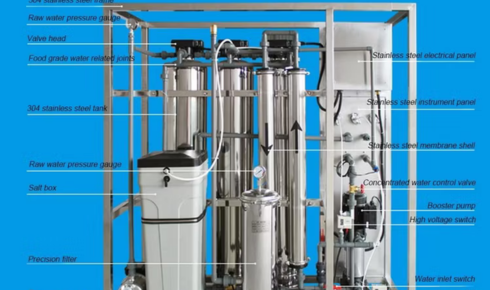
That’s where systems like multi-stage RO filtration come into play. It sounds technical, maybe even a bit excessive at first. But the idea is simple—water passes through multiple layers of filtration, each removing something different.
What’s left behind is water that feels lighter, cleaner, more predictable.
Not perfect. Just… better.
The Role of the Kitchen in Everyday Choices
If you think about it, most of your daily water habits revolve around one place—the kitchen. Drinking, cooking, making tea or coffee—it all happens there.
So it makes sense that improvements often start right at that point of use.
A good kitchen water purifier isn’t about adding complexity to your life. It’s about simplifying it. You don’t have to think twice about what you’re drinking or using in your meals. You just turn on the tap and trust what comes out.
And that trust? It’s worth more than we often realize.
Because once you have it, you stop second-guessing. You stop wondering if boiling water is enough, or if bottled water is a better option. You just go about your day.
When Taste Becomes a Signal
One of the first things people notice when they improve their water is taste. It’s subtle, but it’s there.
Tea becomes smoother. Coffee feels less bitter. Even plain water—something so simple—starts to feel more refreshing.
That’s because drinking water quality isn’t just about what’s removed, but how consistent the result is. You’re not dealing with fluctuations anymore. The water tastes the same, day after day.
And that consistency changes your relationship with it.
You drink more. You rely on it more. It becomes something you enjoy, not just something you need.
It’s Not About Overthinking Everything
There’s a fine line between being mindful and overthinking things. When it comes to water, you don’t need to analyze every detail or chase perfection.
It’s more about awareness.
Understanding that water isn’t just a neutral element—it has characteristics. And those characteristics can be adjusted, improved, refined.
You don’t need the most advanced system on the market. You don’t need to turn your home into a laboratory. You just need something that works for you.
The Small Benefits That Add Up
What surprised me most wasn’t the obvious improvements—it was everything else.
Less buildup in kettles and appliances. Dishes coming out clearer. Even cooking felt a bit more consistent, though it’s hard to explain exactly why.
These are small things. Individually, they don’t seem like much. But together, they create a noticeable shift in how your home feels.
It’s like tuning an instrument. You don’t change the song—you just make it sound better.
A Change That Becomes Invisible
The funny thing about better water is how quickly you stop thinking about it.
At first, you notice the difference. The taste, the clarity, the way it feels. But after a while, it becomes your new normal.
And then, when you’re somewhere else—at a friend’s house, a restaurant, even a hotel—you notice it again. The slight difference in taste, the inconsistency you had forgotten about.
It’s a quiet reminder of what you’ve changed.
A More Intentional Way of Living
At its core, this isn’t just about water. It’s about intention.
About choosing to improve something you interact with every single day. Not because you have to, but because you can.
We often focus on big changes—renovations, upgrades, major decisions. But sometimes, the most meaningful improvements are the ones that happen quietly, in the background.
Water is one of those things.
Closing Thought
You don’t need to overhaul your entire home to make a difference. Sometimes, it starts with a single glass of water and a simple question: could this be better?
And if the answer is yes, even slightly, it’s worth exploring.
Because when something as basic as water feels right—clean, consistent, reliable—it has a way of making everything else feel just a little easier.
Not perfect. Just better.
And sometimes, that’s exactly what we’re looking for.