
Most of us assume water is safe if it looks clear and tastes normal. It’s an easy assumption to make. After all, if there’s no smell, no color, no visible particles — what could possibly be wrong?
But here’s the uncomfortable truth: some of the most serious water issues are completely invisible. They don’t leave stains. They don’t create odors. And they certainly don’t announce themselves loudly.
Instead, they exist quietly beneath the surface, often going unnoticed for years.
The Problem with “Looks Fine to Me”
There’s something deeply human about judging quality by appearance. We trust what we can see. If water looks clean in a glass, we naturally assume it’s safe.
Yet many harmful substances dissolve fully into water without changing its clarity. These contaminants can originate from natural soil minerals, aging infrastructure, industrial runoff, or even agricultural activity miles away.
Because they’re invisible, they often remain undetected until someone tests the water — and that’s when the real story emerges.
Why Some Contaminants Are Hard to Detect
Certain contaminants don’t alter the basic characteristics of water. They don’t cause cloudiness or create a metallic taste.
Arsenic is one of the most well-known examples. It occurs naturally in some geological formations and can seep into groundwater without any obvious warning signs.
This is why routine testing matters so much. Without it, homeowners may have no idea there’s an issue at all.
Addressing these risks typically begins with specialized solutions designed for arsenic water treatment, which target specific chemical contaminants rather than just improving taste or clarity.
How Contamination Happens — Even in Safe Areas
People often associate water contamination with industrial pollution or urban environments. But that’s not always the case.
In reality, even rural areas with seemingly pristine surroundings can experience groundwater contamination. Natural mineral deposits, agricultural fertilizers, and decades-old plumbing infrastructure all play a role.
Over time, these factors can introduce unwanted substances into the water supply. And because groundwater moves slowly, contaminants can persist for years without detection.
Understanding how contamination occurs helps people recognize why testing shouldn’t be limited to certain regions — it’s relevant almost everywhere.
Why Filtering for Specific Contaminants Matters
Not all filtration systems are created equal. A basic carbon filter may improve taste and remove chlorine, but it won’t necessarily address heavy metals or complex chemical compounds.
That’s where specialized solutions become essential.
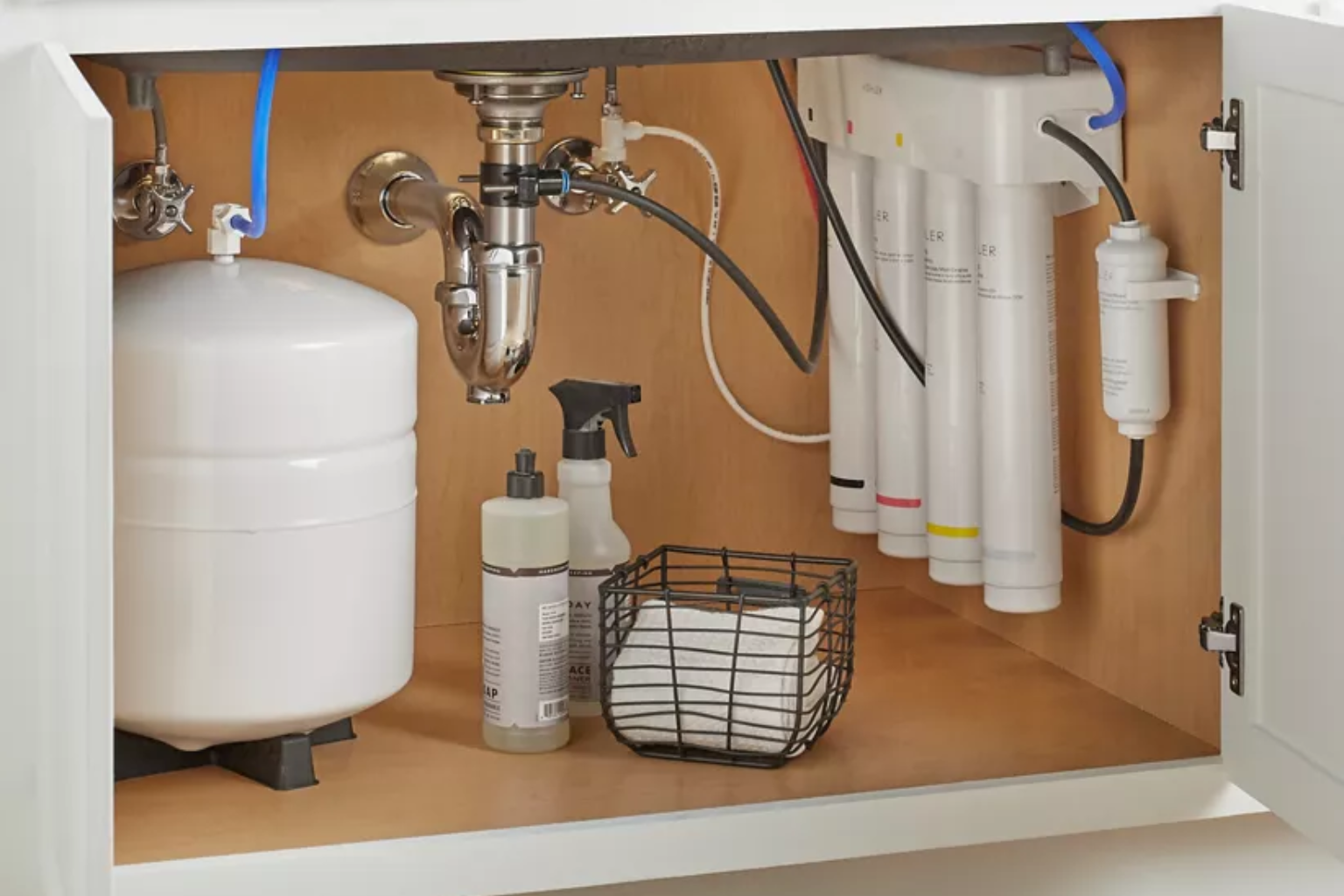
Systems designed for arsenic filtration use advanced media and processes that specifically capture dissolved arsenic particles without stripping beneficial minerals from the water.
This targeted approach ensures safety while maintaining water quality and usability for everyday needs.
The Importance of Regular Water Testing
Many homeowners only test their water when something seems wrong — strange taste, unusual staining, or noticeable odor.
But with invisible contaminants, waiting for obvious signs can be risky.
Regular water testing provides clarity and peace of mind. It establishes a baseline understanding of water quality and helps detect changes over time.
Think of it as a health checkup for your home’s most essential resource.
Once you know what’s present, you can choose the right treatment strategy rather than relying on guesswork.
Emotional Impact of Water Safety Concerns
Water is deeply personal. It’s something we consume daily, use for cooking, and rely on for hygiene.
When questions arise about safety, the emotional impact can be significant. Parents worry about children. Families wonder about long-term health effects. Even simple tasks like making coffee or brushing teeth can suddenly feel uncertain.
Understanding and addressing water contamination isn’t just about science or technology — it’s about restoring confidence and removing that underlying anxiety.
Safe water brings peace of mind that extends far beyond the tap.
The Role of Modern Technology in Water Safety
Fortunately, advances in water treatment technology have made addressing contamination more effective and accessible than ever.
Today’s systems are designed to be precise, efficient, and relatively easy to maintain.
Automated monitoring, improved filtration media, and streamlined installation processes mean homeowners no longer need to navigate complicated setups.
This progress has transformed water treatment from a complex technical challenge into a manageable part of everyday home care.
Long-Term Benefits Beyond Safety
While the primary goal of water treatment is safety, the benefits extend further.
Treated water can help protect plumbing systems, extend the lifespan of appliances, and reduce maintenance costs over time.
It can also improve the taste and overall experience of drinking water, encouraging better hydration habits within households.
These additional advantages make water treatment a practical investment rather than just a precautionary measure.
Breaking Common Myths About Contaminants
There’s a persistent myth that municipal water supplies are always completely free of contaminants.
While public systems undergo rigorous testing and regulation, they can still contain trace elements depending on local infrastructure and environmental conditions.
Similarly, well water — often perceived as pure and natural — may contain naturally occurring minerals that require treatment.
Recognizing these realities helps homeowners make informed decisions rather than relying on assumptions.
Looking Ahead: A More Informed Approach to Water
As awareness grows, more people are taking proactive steps to understand and manage their water quality.
Routine testing, tailored filtration systems, and ongoing maintenance are becoming standard practices rather than rare exceptions.
This shift reflects a broader understanding that clean water isn’t something to take for granted — it’s something to actively protect.
Final Thoughts: Trusting What You Can’t See
The most challenging aspect of water safety is also the simplest: some risks are invisible.
Clear water doesn’t always mean safe water. And waiting for obvious signs can leave problems unnoticed for years.
By staying informed, testing regularly, and investing in appropriate treatment solutions, homeowners can ensure their water remains safe, reliable, and comforting.