
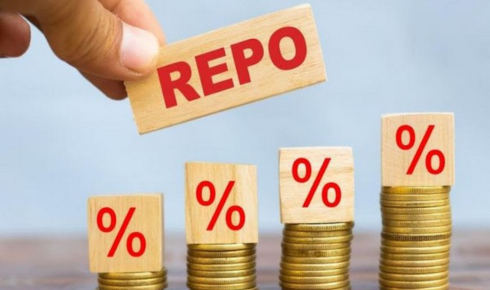
A home loan interest rate directly affects the total repayment over time, especially for long-tenure loans such as those offered by LIC Housing Finance. Even a small change in the rate can influence the overall cost of borrowing. While interest rates depend on multiple external and borrower-specific factors, there are structured ways in which borrowers often evaluate opportunities to manage or reduce the effective rate over time. These include financial profile improvements, loan restructuring possibilities, and awareness of market-linked changes.
Understanding Your Current Loan Structure
Before evaluating any change in interest rate, the existing loan structure plays an important role in identifying scope for adjustment.
- Rate type clarity: Fixed rates remain unchanged, while floating rates vary with market conditions, affecting how often interest payments change.
- Outstanding balance position: A higher remaining principal increases sensitivity to rate changes, making repayments more responsive to even small interest shifts.
- Loan tenure stage: Early repayments consist mostly of interest, while later stages gradually shift towards principal repayment due to standard amortisation patterns over time.
A clear understanding of these elements helps interpret how the current LIC HFL interest rate is affecting repayment behaviour over time.
Related brief: 30 Key Q&A About Navigating Economic Challenges in Business
Additionally, you can use an online calculator such as the LIC HFL EMI calculator to estimate how changes in interest rates could affect your monthly repayment and overall loan cost over time.
Role of Credit Profile in Rate Evaluation
Lenders often assess borrower profiles periodically, especially in long-duration loans.
Related brief: How Combined Network and Cloud Penetration Testing Protects Your Hybrid Infrastructure.
- Repayment consistency: Timely EMI payments without delays indicate disciplined repayment behaviour and reflect the borrower’s ability to manage obligations over time.
- Credit utilisation pattern: Lower reliance on revolving credit, such as credit cards, suggests controlled borrowing and balanced usage of available credit limits.
- Income stability signals: A steady and predictable income flow reflects financial stability, which may be considered when assessing the borrower’s ability to meet ongoing repayment commitments.
Borrowers often use tools that help them calculate home loan eligibility to understand their borrowing capacity and how their financial profile may align with lender assessment criteria.
Impact of Prepayment Behaviour on Loan Cost Structure
Partial or occasional prepayments can influence how the loan is perceived in terms of risk and structure.
- Reduction in principal exposure: As the outstanding balance declines, the interest is calculated on a smaller base, gradually lowering the total interest outgo over time.
- Loan-to-value adjustment effect: With each repayment, the borrower’s equity increases and the lender’s exposure reduces, improving the overall loan-to-value position.
- Repayment discipline indicator: Regular reductions in principal reflect consistent repayment behaviour and indicate adherence to the agreed loan schedule.
These factors can indirectly influence how the overall loan profile is evaluated during rate-related assessments.
Balance Transfer Considerations in Rate Comparison
Borrowers often evaluate alternative lending structures as part of interest rate assessment.
- Cross-lender rate variation: Different lenders may offer varying interest rates for similar borrower profiles due to internal risk models, funding costs, and pricing strategies.
- Cost components beyond rate: Charges such as processing fees, documentation costs, and administrative expenses can increase the overall borrowing cost beyond the stated interest rate.
- Comparative positioning: When borrowers receive external offers, lenders may review and adjust their pricing to remain competitive within prevailing market conditions.
Understanding eligibility using tools that help calculate home loan eligibility can also support comparison between different lending offers and their suitability for your financial profile.
Internal Rate Revision Mechanisms
In some cases, lenders may reassess loan pricing internally based on broader conditions.
- Policy-linked adjustments: Interest rates may change when benchmark rates or regulatory policies shift, affecting loan pricing over time.
- Review-based restructuring: Some loans are periodically reviewed, allowing lenders to reassess terms based on predefined frameworks or changing conditions.
- Conversion-linked changes: Switching between rate types or structures may involve administrative procedures, depending on the loan agreement and applicable conditions.
Such mechanisms are generally dependent on lender policies and broader financial environment conditions.
Loan Restructuring and Repayment Alignment
Loan structure and repayment design often influence overall interest burden perception.
- Tenure distribution effect: A longer tenure lowers monthly payments but increases the total interest paid over the loan period due to extended repayment duration.
- EMI alignment with income: Repayments are often evaluated against income stability to ensure the borrower can sustain payments without financial strain.
- Amortisation structure impact: Over time, the share of interest decreases while the principal repayment portion increases across the loan lifecycle.
Using a smart tool such as the LIC HFL EMI calculator can help in understanding how tenure or rate adjustments may influence EMI distribution and long-term repayment structure.
Conclusion
Interest rates in long-term home loans such as those offered by LIC Housing Finance are influenced by borrower profile, loan structure, and market conditions, with repayment impact varying based on credit behaviour, outstanding balance, and tenure.