
There’s a certain instinct we all have when something at home feels off—we want to fix it quickly. Replace it, upgrade it, solve it. Water is no different. If it tastes strange or leaves marks behind, the first thought is usually, “I need a filter.”
But here’s the thing most people skip: understanding what’s actually going on.
Because water isn’t one-size-fits-all. And the way you approach it shouldn’t be either.
When Water Feels “Fine”… But Not Quite Right
Most homes don’t deal with obvious water problems. It’s not like the tap suddenly turns brown or stops working. Instead, it’s subtle.
A faint smell you can’t explain. A slight dryness after a shower. A glass that looks clean but somehow isn’t. These things don’t scream for attention—they just linger quietly in your routine.
And because they’re not urgent, they often go unchecked.
But small inconsistencies are usually your first clue that something’s worth looking into.
Why Guessing Rarely Works
It’s tempting to jump straight into solutions. You see a filter online, read a few reviews, and think, “That should do it.”
Sometimes it works. But often, it doesn’t fully solve the issue—because you’re treating symptoms, not the cause.
Water can carry different elements depending on your source: minerals, sediments, chlorine, even trace metals. Without knowing what’s present, choosing a solution becomes a bit of a guessing game.
And guessing? It can get expensive.
Starting with Clarity Instead of Assumptions
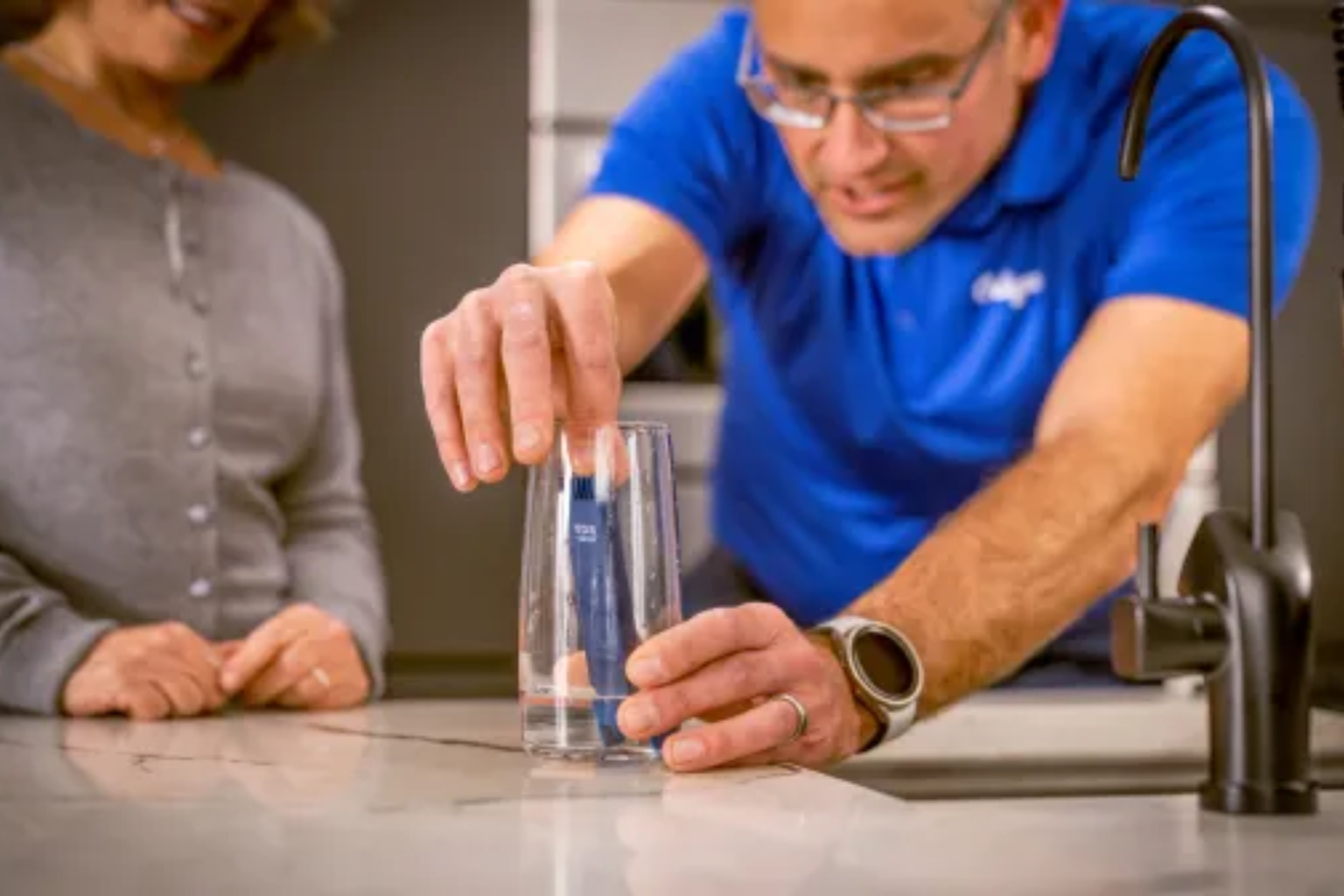
This is where something simple can make a big difference—testing your water.
Not in a complicated, technical way. Just enough to understand what you’re dealing with. Many homeowners begin with free water testing guidance, which gives them a baseline without committing to anything right away.
It’s a small step, but it changes everything.
Because once you know what’s in your water, decisions become easier. You’re no longer reacting—you’re choosing.
What Testing Actually Tells You
A good water test doesn’t overwhelm you with data. Instead, it answers practical questions:
- Are mineral levels higher than expected?
- Is chlorine affecting taste or smell?
- Are there sediments or particles present?
It’s not about creating concern—it’s about providing clarity.
And sometimes, the results are reassuring. Other times, they highlight areas for improvement. Either way, you’re no longer in the dark.
Why One Solution Doesn’t Fit Every Home
Once you start exploring options, you’ll notice something quickly—there’s no single “best” system.
Some homes benefit from softeners. Others need filtration. Some require both, while others need very little at all.
This is where professional selection help becomes valuable—not because you can’t figure it out on your own, but because experience can save you time, money, and unnecessary complexity.
A good recommendation isn’t based on trends or sales—it’s based on your specific water and your specific needs.
Avoiding the Overcomplication Trap
It’s surprisingly easy to overthink water solutions. You start reading about systems, comparing features, diving into technical details—and suddenly, something simple feels overwhelming.
But it doesn’t have to be.
The goal isn’t to build the most advanced setup. It’s to improve your daily experience in a way that feels natural and manageable.
Sometimes, a straightforward solution does exactly what you need. No bells, no whistles—just better water.
The Changes You Notice Without Trying
What’s interesting about improving water is how quietly it changes things.
You don’t wake up one day thinking, “This is completely different.” Instead, it’s a gradual realization.
Your coffee tastes a bit cleaner. Your dishes look clearer without extra effort. Your skin doesn’t feel as dry after a shower.
And over time, you stop noticing the problems you used to deal with.
That’s when you know it’s working.
Why It’s Worth Taking the First Step
Water is one of those things we rely on constantly but rarely question. It’s part of your morning routine, your meals, your cleaning, your downtime.
And because it’s so constant, even small improvements can have a big impact.
Better taste. Less buildup. A more comfortable daily experience.
But none of that starts with a solution—it starts with understanding.
Final Thoughts: Start Simple, Stay Practical
If there’s one takeaway here, it’s this: you don’t need to rush into fixing your water.
Start by learning about it.
Pay attention to the small signs. Get it tested if you’re curious. Ask questions. Take your time.
Because once you understand what’s flowing through your home, the path forward becomes much clearer.
And in the end, that’s what matters—not having the most advanced system, but having one that works for you.
A solution that fits your home, your routine, and your expectations.
Sometimes, the smartest fix isn’t the fastest one. It’s the one that starts with a little patience—and a better understanding of what you’re working with.