
Water is one of those things most of us barely think about until something goes wrong. A strange taste in the glass, white scale around the faucet, an odd smell from the shower, or cloudy water after heavy rain can quickly turn an everyday routine into a source of worry. And when the water comes from a private well, the situation can be even more complicated because quality can change with the seasons and the surrounding environment.
The good news is that water treatment doesn’t have to be mysterious. Once you understand what’s actually in your water, choosing the right treatment becomes much easier. Different contaminants need different solutions, and the best system isn’t necessarily the most complicated one. It’s the one that addresses the specific problems in your home.
Start With Water Testing, Not Guesswork
It’s tempting to buy a filter based on a neighbor’s recommendation or an online review. But water chemistry varies dramatically from one property to another. Two homes only a few streets apart can have completely different water quality.
A proper water test can identify issues such as hardness, iron, manganese, sediment, chlorine, dissolved solids, and certain microorganisms. Depending on your location and water source, additional testing may also be useful.
This matters because treatment should follow the problem. If hard water is causing scale, for example, you need a solution designed for hardness. A basic sediment filter won’t solve it.
Testing also gives you a useful baseline. If water quality changes later, you have something to compare it against instead of relying on taste or appearance alone.
Where Reverse Osmosis Fits In
For drinking and cooking water, homeowners often want a higher level of purification than they need for the entire house. That’s where reverse osmosis can be particularly useful.
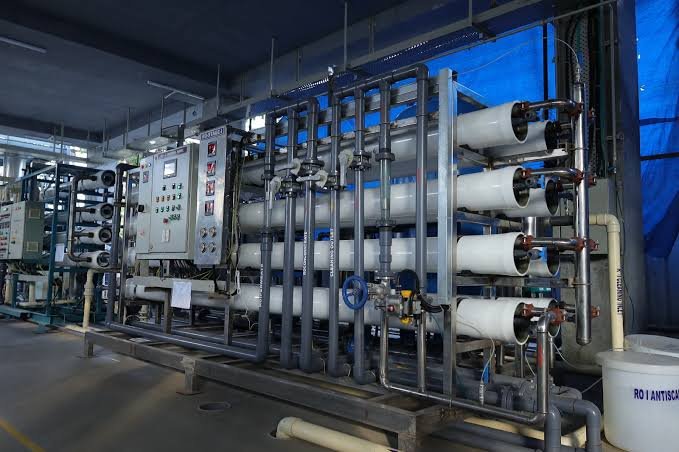
Reverse osmosis works by pushing water through a semipermeable membrane that can reduce many dissolved substances. Depending on the system and its configuration, it may help reduce certain salts, metals, and other contaminants.
A point-of-use RO system is commonly installed under a kitchen sink, providing treated water at a dedicated faucet. This approach can make sense when the main concern is drinking water rather than every gallon used for laundry, bathing, and cleaning.
There is a practical side to this, too. You don’t necessarily need to treat your entire home’s water to the same degree. Sometimes a targeted solution is smarter, less expensive, and easier to maintain.
Why Well Water Needs Extra Attention
Private wells are convenient, but they also put the responsibility for water quality largely on the homeowner. Unlike municipal supplies, well water isn’t automatically treated before it reaches your taps.
That makes well water treatment an important part of maintaining a private water system. The right setup depends heavily on what’s present in the water.
For instance, iron can leave orange stains in sinks and toilets. Hydrogen sulfide may create that unmistakable rotten-egg odor. Excessive hardness can produce scale inside pipes and appliances. Sediment can clog fixtures and shorten the life of filtration equipment.
And then there are microorganisms. Bacteria can enter a well through surface contamination, damaged well components, flooding, or other pathways. A well that has always seemed fine shouldn’t be assumed to be safe forever.
Regular testing is therefore worth the effort, particularly after flooding, repairs, changes in taste or odor, or other unusual events.
Microbiological Concerns Are Different
Not every water problem is visible. Some of the most important concerns involve microorganisms that you can’t see, smell, or taste.
This is where microbiological systems and appropriate disinfection technologies can play an important role. Depending on the water source and test results, treatment may involve ultraviolet disinfection, chlorination, or another professionally selected approach.
UV systems, for example, use ultraviolet light to inactivate many microorganisms as water passes through the treatment chamber. They don’t work like conventional filters, though. A UV system generally doesn’t remove sediment, hardness, or dissolved chemicals. Water clarity and proper pretreatment can also affect system performance.
That distinction is important. There isn’t one magical device that fixes every water-quality problem. Effective treatment usually comes from matching each technology to the contaminant.
Don’t Forget the Plumbing and Appliances
Water quality affects more than what comes out of your drinking faucet.
Hard water can gradually leave mineral deposits inside water heaters, showerheads, dishwashers, washing machines, and plumbing fixtures. Iron and manganese can stain surfaces. Sediment may collect in valves or restrict flow. Certain corrosive water conditions can affect metal plumbing over time.
In other words, water treatment can sometimes be a form of preventative home maintenance.
Think about a coffee maker. If you’ve ever had to scrub stubborn mineral deposits from one, you already have a small-scale example of what untreated hard water can do. Now imagine that same chemistry moving through an entire plumbing system for years.
A properly selected treatment system can help reduce these problems and potentially make household appliances easier to maintain.
Whole-House Treatment vs. Point-of-Use Systems
Choosing between whole-house and point-of-use treatment comes down to what you want to accomplish.
A whole-house system treats water before it travels through the home’s plumbing. This can be useful when contaminants affect bathing, laundry, fixtures, or appliances as well as drinking water.
Point-of-use treatment focuses on a particular faucet or appliance. It’s often a practical choice when the main concern is drinking and cooking water.
Neither approach is automatically better. If your well has a strong sulfur odor, treating only the kitchen faucet won’t solve the smell coming from the shower. On the other hand, installing an elaborate whole-house system solely because you want better-tasting drinking water may be unnecessary.
The goal is simple: treat the water where the problem actually matters.
Maintenance Is Part of the Solution
Even an excellent treatment system needs attention. Filters eventually become saturated, membranes require replacement, UV lamps have service intervals, and tanks or other components may need inspection.
Skipping maintenance can reduce performance and, in some cases, create new problems.
A useful habit is to keep a simple record of filter changes, water tests, service visits, and any noticeable changes in water quality. It doesn’t need to be fancy. A note on your phone can be enough.
For well owners especially, periodic testing should remain part of the routine. Water quality isn’t necessarily static, and a system that worked perfectly several years ago may need adjustment after changes in the well or surrounding environment.
Choosing the Right System for Your Home
The smartest water-treatment decision usually starts with three questions: What is in the water? What do you want to improve? And how much water actually needs treatment?
From there, the options become much clearer.
You may need filtration for sediment, a softener for hardness, specialized treatment for iron or sulfur, disinfection for microbiological concerns, or reverse osmosis for drinking water. In some homes, several technologies may work together as a complete treatment train.
Don’t be distracted by impressive-sounding equipment alone. Look for a system that is properly sized, supported by credible testing, and realistic to maintain.
Clean water is not about buying the biggest system or following the latest trend. It’s about understanding your home’s water and responding to it thoughtfully.
Once you know what’s coming through your pipes, good treatment becomes less of a guessing game and more of a sensible investment in the water you use every single day.