
Laundry has a funny way of piling up when you’re not looking. One minute there’s a small basket waiting in the corner, and somehow by the weekend it’s become three full loads. Through it all, your dryer quietly keeps things moving, turning damp clothes into warm, ready-to-fold laundry with very little attention from you.
That’s probably why so many homeowners forget about it.
Unlike appliances that make noise when something goes wrong, dryers often develop problems slowly. Drying times become a little longer. The drum sounds slightly different. Clothes feel warmer than usual, or perhaps they come out still damp after a normal cycle.
These little changes are easy to overlook, but they often signal that your dryer is asking for a bit of care. Paying attention early can improve performance, lower energy costs, and help the appliance last much longer.
Your Dryer Works Harder Than It Gets Credit For
A dryer may not run all day, but it still handles an impressive workload over the course of a year.
Think about everything it dries—everyday clothing, towels, blankets, bedding, sports uniforms, work clothes, and seasonal jackets. Each cycle creates heat, movement, and airflow while dozens of components work together inside the machine.
Belts rotate the drum. Rollers support its movement. Heating elements generate warmth. Sensors monitor moisture. Fans move hot air through the drum and out the exhaust vent.
It’s a surprisingly busy system.
Like any machine with moving parts, wear happens gradually, making regular care one of the best ways to extend its lifespan.
Small Warning Signs Should Never Be Ignored
One of the biggest misconceptions homeowners have is that appliances suddenly stop working without warning.
In reality, dryers are usually quite good at letting you know something has changed.
Maybe clothes take two cycles to dry instead of one. You hear an unfamiliar squeak during operation, or perhaps the dryer feels unusually hot along the sides.
Some people even notice a faint burning smell that disappears after the machine cools down.
None of these symptoms should be ignored.
Addressing them early often prevents much larger repairs later.
A Little Maintenance Goes a Long Way
Most people remember to clean the lint filter after every load, which is excellent. But that’s only one part of proper dryer maintenance.
Lint gradually collects inside the exhaust duct, vent hose, and internal passages where it isn’t immediately visible. As airflow becomes restricted, the dryer must work harder to remove moisture from clothing.
That extra workload increases drying times, raises utility bills, and places unnecessary strain on heating elements and motors.
Periodic vent cleaning, checking exterior exhaust airflow, inspecting the drum for unusual wear, and keeping the surrounding area clean all contribute to healthier long-term performance.
These simple habits require very little effort but often prevent expensive repairs.
Energy Efficiency Starts With Good Airflow
A dryer depends on unrestricted airflow to function efficiently.
When hot, moist air cannot leave the drum properly, clothing remains damp longer, forcing the appliance to continue heating for additional cycles.
Besides increasing energy consumption, poor airflow also creates excessive heat inside the dryer itself.
Over time, this additional heat accelerates wear on electrical components, thermostats, motors, and heating elements.
Maintaining proper ventilation isn’t just about efficiency—it’s also an important part of household safety.
Professional Inspections Have Their Place
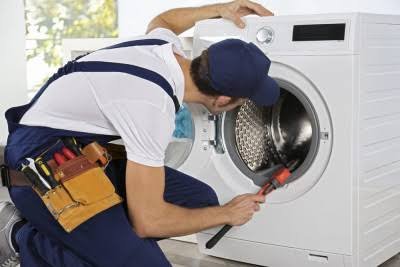
While homeowners can perform routine cleaning and basic maintenance, certain problems require specialized knowledge.
Modern dryers contain electronic controls, moisture sensors, thermal fuses, heating systems, and complex electrical components that aren’t always easy to diagnose.
Professional technicians use diagnostic equipment to identify the actual source of a malfunction rather than replacing parts through trial and error.
Comprehensive appliance solutions often address not only the immediate problem but also underlying issues that could cause future breakdowns.
That broader approach usually provides better long-term value.
Strange Noises Tell a Story
Every dryer makes some normal operating sounds.
However, grinding, squealing, rattling, or repetitive thumping usually indicates worn components inside the machine.
Rollers eventually wear flat.
Drive belts stretch.
Bearings lose lubrication.
Support wheels become uneven.
These parts generally fail gradually rather than all at once.
Repairing them early prevents additional stress on surrounding components while keeping repair costs manageable.
Listening carefully to your dryer can actually save money.
Safety Should Always Be Part of the Conversation
Dryers produce heat, which means proper maintenance isn’t simply about convenience.
Blocked vents filled with lint increase the risk of overheating and reduce the appliance’s ability to release hot air safely.
Keeping the exhaust system clean allows the dryer to operate at appropriate temperatures while minimizing unnecessary fire risks.
It’s one of those maintenance tasks that homeowners often postpone simply because the appliance still appears to be working.
Waiting rarely makes the job easier.
Repair Before Replacement Whenever It Makes Sense
Not every dryer that develops a problem needs to be replaced.
Many issues involve relatively affordable components such as belts, thermostats, rollers, sensors, or heating elements.
Timely repair services often restore full performance while adding several additional years to the appliance’s life.
Of course, if a dryer experiences repeated breakdowns, major electrical failures, or reaches the end of its expected lifespan, replacement may become the more practical option.
An experienced technician can explain both possibilities clearly, allowing homeowners to make informed decisions without unnecessary pressure.
Everyday Habits Make a Bigger Difference Than You Think
Simple routines help dryers stay healthier for much longer.
Avoid overloading the drum.
Separate heavy towels from lightweight clothing.
Clean the lint filter after every cycle.
Check that the exterior vent flap opens freely.
Pay attention to changes in drying time or unusual sounds.
These small habits reduce stress on internal components while improving efficiency.
Consistency matters far more than complicated maintenance schedules.
Final Thoughts
A dryer is one of those household appliances that’s easy to take for granted because it quietly handles an important job every week. Yet behind every drying cycle is a collection of hardworking components that deserve occasional attention.
Fortunately, keeping a dryer operating efficiently doesn’t require anything extraordinary. Routine maintenance, proper airflow, early attention to warning signs, and professional service when needed all contribute to years of dependable performance.
Rather than waiting for a complete breakdown, homeowners who care for their dryers consistently often enjoy lower energy bills, fewer repairs, and greater peace of mind.
At the end of the day, a well-maintained dryer does more than dry clothes. It saves time, protects your investment, supports household safety, and makes one of life’s regular chores just a little bit easier—load after load, year after year.