
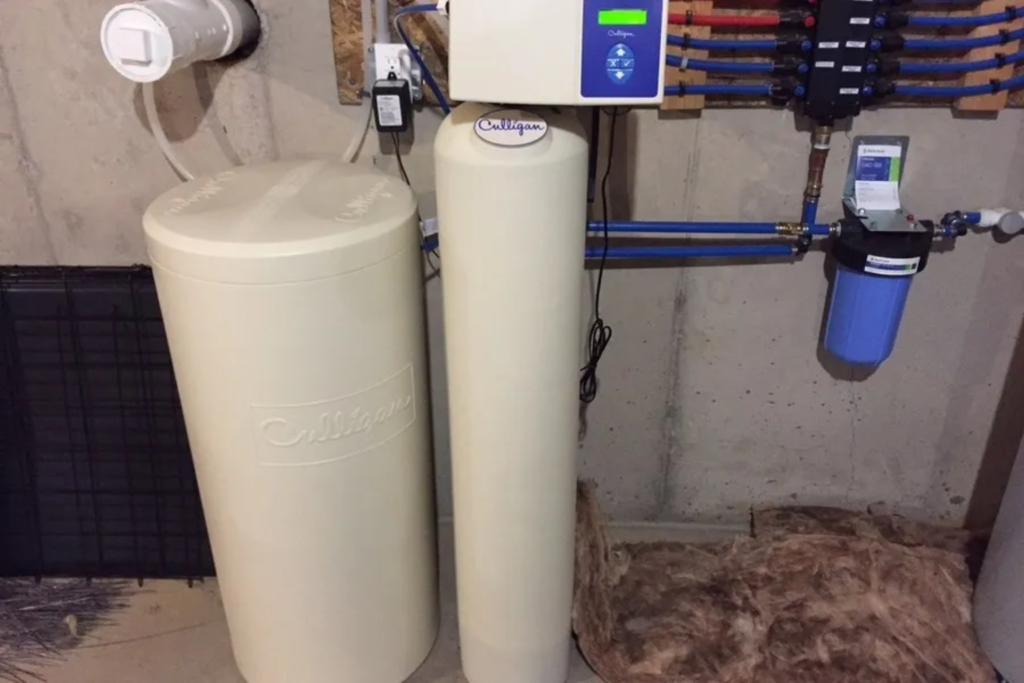
There’s a certain kind of silence that comes with water.
It flows through your home without asking for attention. It doesn’t make noise unless something’s wrong. It doesn’t flash warnings or send alerts. And because of that, we tend to trust it without much thought.
But every now and then, it leaves hints.
A faint smell. A slightly off taste. A glass that doesn’t look as clear as it should. Nothing dramatic—just small, persistent signals that something might not be quite right.
And the truth is, those signals are worth listening to.
When Water Starts Speaking in Small Ways
Most issues with water don’t arrive loudly. They build slowly, almost quietly, until they become part of your routine.
You start using more soap than usual. You scrub surfaces a little harder. You hesitate before drinking straight from the tap.
It’s not that your water is unsafe—it’s that it’s not ideal.
And that difference matters more than we often admit.
Because water isn’t just something we use occasionally. It’s woven into everything we do.
Understanding Before Fixing
One of the biggest mistakes people make is jumping straight to solutions without understanding the problem.
It’s like trying to fix a car without knowing what’s wrong—you might get lucky, but chances are you’ll miss something important.
That’s where water quality diagnostics come into play.
Instead of guessing, you’re identifying. Looking at what’s actually in your water—minerals, chemicals, sediments—and understanding how they affect your home.
It’s a simple step, but it changes everything.
Because once you know what you’re dealing with, the path forward becomes much clearer.
Why “Good Enough” Isn’t Always Enough
There’s a common assumption that if water is safe, it’s good enough.
And from a basic standpoint, that’s true.
But living with water every day is about more than safety. It’s about how it feels, how it tastes, how it interacts with your home.
Safe water can still leave stains. It can still carry odors. It can still affect your skin, your appliances, your daily comfort.
And that’s where the idea of improvement comes in—not because something is wrong, but because it can be better.
The Everyday Impact You Don’t Always Notice
Water influences more than we realize.
It affects how your laundry turns out. How your dishes look. How your skin feels after a shower. Even how your food tastes when you cook.
These are small details, but they shape your daily experience.
And when your water isn’t working the way it should, those details start to feel like inconveniences.
Not big enough to fix immediately—but constant enough to matter.
Moving Toward a More Comfortable Routine
Once you begin addressing your water quality, the changes don’t come as a sudden shift.
They show up gradually.
Your water feels smoother. Your cleaning routine becomes easier. Your appliances seem to run more efficiently.
These are what you might call comfort & safety improvements—not flashy, not dramatic, but deeply practical.
They make your home feel more functional, more reliable, more aligned with how you want to live.
The Value of Solving the Right Problem
It’s tempting to look for quick fixes. A filter here, a product there—something simple that promises immediate results.
And sometimes, that works.
But more often than not, water issues are layered. They don’t come from a single source, and they don’t always have a single solution.
That’s why taking a thoughtful approach matters.
Instead of treating symptoms, you’re addressing causes.
And that leads to better, more lasting results.
A Change That Blends Into Your Life
One of the most interesting things about improving your water is how quickly it becomes invisible again.
You don’t think about it constantly. You don’t notice it every second.
But you feel it.
In the ease of your daily routine. In the absence of small frustrations. In the quiet confidence that something essential is working the way it should.
Why It’s Worth Paying Attention
Water is one of the few things in your home that you use every single day, in multiple ways.
Drinking, cooking, cleaning, bathing—it’s always there.
So when something is slightly off, it affects more than just one part of your life.
And when you improve it, the benefits spread just as widely.
The Quiet Confidence of Getting It Right
At the end of the day, better water isn’t about chasing perfection.
It’s about removing doubt.
It’s about knowing that what you’re using—every single day—is clean, balanced, and reliable.
And that kind of confidence doesn’t come from guesswork.
It comes from understanding, from thoughtful decisions, and from paying attention to the details that most people overlook.
A Small Step That Changes More Than You Expect
If there’s one takeaway, it’s this—don’t ignore the small signs.
They’re not just inconveniences. They’re information.
And once you start listening, you open the door to improvements that don’t just fix problems, but enhance your everyday life.
Quietly. Consistently. In ways that feel natural, not forced.
And sometimes, that’s exactly the kind of change that matters most.