
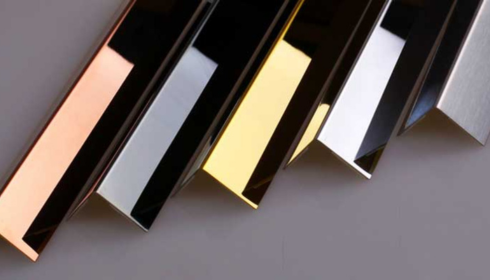
In the world of construction and fabrication, small components often play the biggest roles. Among these, L profiles and L patti stand out as essential materials widely used across residential, commercial, and industrial projects. Whether you’re strengthening wall corners, designing support structures, or working on metal fabrication, these versatile components can significantly enhance both durability and aesthetic finish. Let’s explore how they work, their benefits, and how to choose the best ones for your specific application.
What Are L Profiles and L Patti?
L profiles, also known as angle profiles, are metal strips shaped like the letter “L.” They combine strength and simplicity, making them ideal for supporting, protecting, and bracing structures. Commonly crafted from stainless steel, aluminum, mild steel, or galvanized iron, they come in various thicknesses and lengths to suit different requirements.
L patti serves a similar function but is typically thinner and lighter. It is often used for finishing purposes, decorative edges, and lightweight structural applications. In many industries, it’s valued for its clean look and easy installation process.
Why L Profiles and L Patti Are So Popular
One of the biggest reasons behind their popularity is versatility. These components can be used in dozens of ways, from constructing frames to reinforcing joints. You’ll find them in furniture, industrial racks, interior décor, hardware fittings, and even vehicle fabrication. Their L-shaped design ensures strength at the corners while providing a neat, minimalistic finish.
Another major advantage is durability. When made from high-quality materials, these profiles resist corrosion, handle heavy loads, and perform exceptionally well in harsh conditions. This makes them suitable for outdoor and moisture-prone environments, especially when manufactured from stainless steel or hot-dipped galvanized metal.
Common Applications in Construction and Fabrication
L profiles are commonly used in:
- Wall and corner reinforcement: They protect corners from damage and add structural stability.
- Door and window frames: L angles ensure straight edges and robust support.
- Shelving systems: Heavy-duty L profiles are ideal for racks and storage solutions.
- Machine frames and industrial structures: Their high load-bearing capacity makes them perfect for fabrication.
On the other hand, L patti is often found in:
- Interior decoration: Providing clean borders around tiles, wooden panels, or glass.
- Aluminum and steel fabrication: Light, easy to cut, and perfect for finishing work.
- Furniture edges: Adding a professional and polished look to tables, cabinets, and counters.
- Electrical and hardware projects: Offering lightweight support or aesthetic trim.
How to Choose the Right Type
Selecting the right profile involves understanding the requirements of your project. Here are some factors to consider:
- Material:
Stainless steel is best for moisture-prone areas. Aluminum is perfect for lightweight needs, while mild steel works well in industrial environments. - Thickness:
Heavy-duty applications require thicker angles, while thin patti is suitable for finishing and decorative use. - Finish:
Powder-coated or polished finishes add corrosion resistance and visual appeal. - Size:
Length and width should match the specific purpose—structural support needs larger profiles, whereas interior décor requires sleeker options. - Budget:
Material choice and thickness will significantly affect the cost.
Final Thoughts
Whether you’re a builder, fabricator, interior designer, or DIY enthusiast, understanding how to use L patti and angle profiles can make your projects more durable, stable, and visually appealing. Their simplicity, strength, and adaptability make them one of the most reliable components in construction and design. With the right selection and installation, these small yet powerful pieces can transform the overall quality of your work and deliver long-lasting results.