
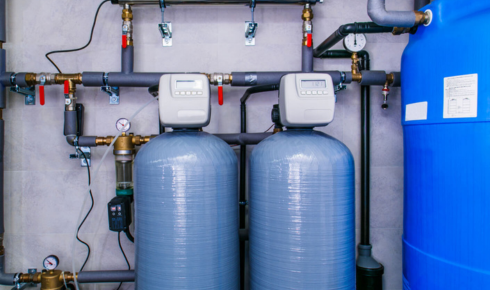
Living in Canada comes with its fair share of natural blessings—clean air, wide-open landscapes, and plenty of fresh water sources. But if you’re pulling water from a private well, you know that “fresh” doesn’t always mean “safe” or “problem-free.” There’s a whole world going on beneath the surface, and without the right tools to treat it, your water can bring more trouble than refreshment.
From stubborn stains on sinks to mysterious odors, well water can be a bit of a wild card. That’s why more Canadians are waking up to the importance of smart water treatment—not just for taste or appearance, but for peace of mind.
When Clean Isn’t Clean Enough
Let’s start with the obvious. Well water can be unpredictable. It might look crystal clear, but that doesn’t mean it’s free of contaminants. Iron, manganese, sulfur, bacteria, sediment—it’s a cocktail of issues that can build up slowly, quietly damaging your plumbing, appliances, and even your health.
That’s why well water treatment systems Canada residents are installing aren’t just luxury upgrades anymore. They’re necessary tools in a modern household toolkit—especially in rural or semi-rural areas where city water just isn’t an option.
Treatment systems come in different shapes and styles depending on your specific issues. Maybe you need an iron filter. Maybe it’s UV sterilization. Or maybe it’s a full multi-stage system with sediment pre-filters, activated carbon, and post-treatment polishers. The key is this: test your water first, and build your solution from facts—not guesswork.
Hard Water? Yeah, It’s a Thing.
Even if your well water passes the safety test, it might still give you grief. Hard water is the culprit behind chalky dishes, stiff laundry, and flaky skin. It’s loaded with calcium and magnesium—minerals that love to cling to your pipes and fixtures like they pay rent.
That’s when a water softener steps in. It doesn’t just help your soaps and detergents work better—it also extends the life of everything from your water heater to your hair. Soft water feels different. Showers are silkier. Towels come out fluffier. And your faucets stop looking like they’ve aged 20 years overnight.
For some folks, especially those new to well water living, the difference is night and day.
Should You DIY or Call in a Pro?
Once you decide to install a water system, the next big question usually is: Can I handle this myself?
Look, installing a softener isn’t rocket science—but it’s not a walk in the park either. You’ll be dealing with water lines, drainage, bypass valves, and pressure settings. One wrong step and you could be left with a leak, reduced water pressure, or a system that doesn’t function as promised.
That’s why so many opt for water softener installation services. Professionals not only handle the hardware, but they also ensure it’s dialed in to match your water’s exact chemistry. That means less hassle, fewer callbacks, and a better return on your investment.
Plus, most installers offer maintenance plans and support. So if something ever goes sideways, you’re not left Googling solutions in a panic.
Real People, Real Problems
Let’s talk about the little things. Like how a family in southern Ontario installed a treatment system after their toddler developed recurring skin issues. Or how a retired couple near Calgary saw their water heater’s lifespan double after softening their iron-heavy well water. Or that guy in Saskatchewan who finally figured out that the rotten-egg smell wasn’t just “farm life”—it was sulfur.
These aren’t edge cases. They’re everyday people realizing that water isn’t just about taste—it’s about quality of life. Clean, treated water means safer cooking, healthier baths, and less stress about what’s running through your pipes.
Maintenance: The Part No One Talks About
Once your system is in place, don’t set it and forget it. Water treatment systems, like anything mechanical, need attention now and then.
Filters need replacing. Salt needs refilling. And every once in a while, the whole setup needs a once-over to ensure everything’s flowing as it should. The good news? Most systems today come with indicators or even smartphone alerts to remind you. And if you’ve gone with a pro installer, they’ll usually offer annual checkups.
It’s not hard work—it’s just part of home care. Like cleaning your gutters or changing your furnace filter.
The Takeaway
If you’ve been living with untreated well water, you’ve probably adjusted without even realizing it. You’ve scrubbed harder. Bought bottled water. Replaced appliances sooner than expected. But the truth is, you shouldn’t have to live around your water. It should work for you.
Whether you start with a simple test, a standalone filter, or go all in on a whole-home system, the shift toward cleaner, safer, softer water is one of those home upgrades that pays off every single day.