
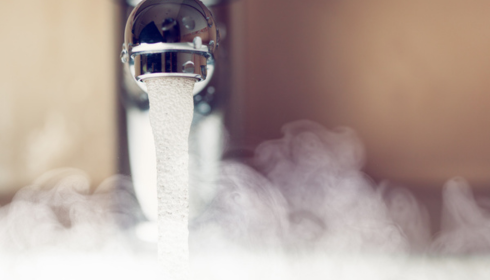
Ever stood at your kitchen sink, poured a glass of hot water, and paused because — wait a second — it’s not clear? It’s got that weird, hazy, fogged-up look like someone stirred in a drop of milk. And yet, your cold water is totally fine.
You might swirl the glass around. Maybe even hold it up to the light. And then, like most of us, you wonder: Is this safe? Should I be worried?
Let’s take a relaxed, real-world dive into why hot water looks cloudy, what’s usually going on behind the scenes, and when it might actually be a red flag.
First Things First: Don’t Panic, It’s Probably Just Air
Yeah, really. More often than not, cloudy hot water is just the result of tiny air bubbles. No chemicals. No bacteria. No weird science experiments happening in your pipes. Just harmless air doing its thing.
Here’s the deal: when water gets heated in your water heater, it holds less dissolved gas. That gas — usually oxygen — forms microbubbles when the water is released from the tap. The pressure drop from your plumbing system to the open air makes those bubbles appear all at once. Kind of like a mini soda fizz without the sugar.
The cloudiness typically vanishes within a few seconds, clearing from the bottom of the glass upward as the bubbles rise and pop. If that’s what’s happening? You’re in the clear — literally and figuratively.
But Then Again… Sometimes It’s Not Just Air
If your water stays cloudy, smells funny, or leaves behind some residue, that’s when it’s time to lean in a little closer. While air is the most common cause, it’s not the only explanation for cloudy water.
So what causes hot water to be cloudy, aside from dissolved gas?
A few things could be at play:
- Sediment build-up: Over time, minerals like calcium, magnesium, and iron can accumulate in your water heater — especially if you live in a hard water area.
- Aging heater components: Anode rods, which protect your heater from corrosion, eventually wear down and can cause murky water.
- Bacteria (yikes!): In rare cases, particularly with warm, stagnant water, sulfur-reducing bacteria can thrive — leading to that distinctive rotten egg smell.
- Discolored pipes: Older plumbing might be releasing rust or scale into the system, affecting your hot water more than your cold.
The trick is in the details. If the cloudiness fades quickly, no big deal. If it lingers, smells weird, or leaves white flakes behind — you’ve got a little digging to do.
The Curious Case of Foggy Showers and Glasses
You’ve probably noticed this most often in the shower or when filling a glass. That initial foggy burst that makes you think something’s off. It’s easy to mistake it for contamination, but in most homes, foggy hot water is completely normal.
Fun fact: foggy water behaves differently based on temperature and pressure. So while your cold water sits clear in the glass, the hot version is busy bubbling away, clearing up only after a few seconds. Totally safe. Kind of fascinating, honestly.
And here’s the kicker — the hotter the water, the more intense the cloudiness may appear. So if you’ve recently cranked up your water heater, don’t be surprised if things look milkier than usual for a bit.
How to Test What’s Really Going On (No Lab Coat Required)
If you’re still not convinced, here’s a super simple test:
- Fill a clear glass with hot water.
- Set it on the counter and watch.
- If the cloudiness clears from the bottom up within 30 seconds or so, it’s air. No worries.
- If it stays cloudy, smells metallic or eggy, or has particles, then it’s time to check your water heater or call a plumber.
Easy, right?
You can also compare hot and cold side-by-side. If only the hot is cloudy, it points to an issue with your water heater — not your entire water supply.
Should You Be Concerned?
In most cases, no. It’s just a cosmetic quirk of how water behaves under pressure and heat. But it is worth being aware of your system’s age and condition. If your heater is over 10 years old and has never been flushed, sediment could be creeping in. That’s when a little maintenance might make a big difference.
And while cloudy water isn’t usually dangerous, it can be annoying — especially if you’re dealing with mineral buildup on faucets, cloudy coffee, or stains on dishes. So even if it’s “safe,” it doesn’t mean you have to live with it forever.
What Can You Do?
- Flush your water heater once a year — it’s simple upkeep that prevents sediment from building up.
- Install a sediment filter or water softener if you’ve got hard water.
- Check your anode rod — it’s a small part, but makes a big difference in extending your heater’s life.
- Run the tap briefly before filling glasses or kettles if cloudiness bugs you. Let the first burst settle.
- Get your water tested if you notice persistent issues. Better safe than sorry.
Final Thoughts: It’s Usually Just a Quirk, Not a Crisis
Hot water that looks a little cloudy is one of those odd household things that seems more serious than it really is. In most cases, it’s just the natural result of temperature, pressure, and gas. But hey, being curious is a good thing — it means you’re paying attention.